Wholesaler fleet insurance for trade delivery vans and rigid lorries
Vans and lorries taking your own stock from the warehouse to shops, restaurants and trade accounts, insured together with one renewal date. Fill in one short form to be put in touch with specialist brokers who arrange cover for UK wholesale and trade distributors.
- Large vans and rigid lorries
- Own stock to trade customers
- Warehouse yards and loading bays
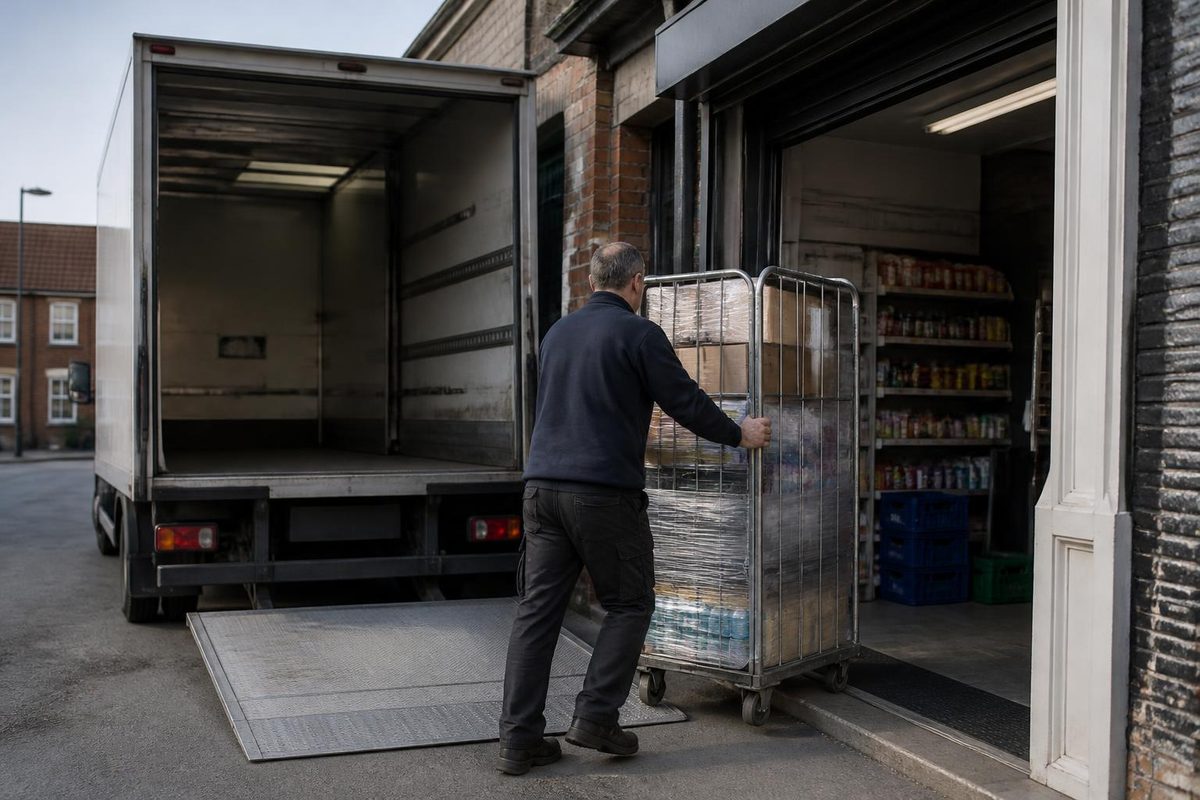
Wholesaler fleet insurance in brief
Wholesaler fleet insurance is one motor policy covering the delivery vans and lorries a wholesale or trade supplier uses to take its own stock to customers. It covers cash and carry delivery services, food and drink wholesalers, building and electrical trade counters and other distributors, and sits within fleet insurance for trades. Because the goods on board belong to the wholesaler until they are delivered, the vehicles are usually insured for carriage of own goods rather than hire and reward.
The questions insurers ask follow the stock: how much is on a vehicle at once, where loaded vehicles stand overnight and how the loading bay is run.
Vans and lorries
Large vans or rigid lorries: how does the mix change the policy?
Wholesale fleets often grow from a few vans into a yard with lorries as well. Running both types together is common, and a multi vehicle fleet policy is one way to keep them on one schedule.
| Point | Large van up to 3.5 tonnes | Rigid lorry over 3.5 tonnes |
|---|---|---|
| Typical use | Smaller drops to shops, cafes and trade customers in town | Bulk pallet deliveries to larger accounts and branches |
| Licence drivers usually need | A standard car licence | A lorry licence category matched to the weight |
| Operator licence | Not usually needed | Usually needed for goods vehicles over 3.5 tonnes |
| Where it is insured | On the wholesaler's fleet policy | On the same fleet policy or a separate lorry policy |
| Loading | By hand or with a sack truck | Tail lift, pallet truck or forklift at the bay |
Many wholesalers run 7.5 tonne rigids beside large panel vans. Some insurers quote both on one schedule; others prefer to place the lorries on HGV fleet insurance of their own.
Class of use
Why delivering your own stock is insured as own goods
Ownership decides the class of use. Stock that has not yet been handed to the customer is still yours, so the van carrying it is doing own goods work, even though the customer has paid.
- Own stock to customers: The normal use for a wholesaler: goods you own, sold to a customer and delivered in your vehicle.
- Collections from suppliers: Picking up stock from manufacturers or ports to bring back to the warehouse.
- Transfers between branches: Moving stock from one depot or trade counter to another.
- Returns and empties: Bringing back damaged goods, cages, pallets and crates from customers.
- Delivering for other firms: Carrying another business's goods for a fee is hire and reward, and is usually outside own goods cover.
Some wholesalers start filling spare space on their rounds with other firms' goods. That changes the use on the vehicles involved and is worth raising before it starts.
Warehouse and yard
Loading bays, yards and stock on board
Many incidents involving a wholesaler's vehicles happen off the public road: reversing onto a bay, pulling out of a busy yard or loading at a customer's back door.
At the loading bay
Vehicles reversing, tail lifts in use and staff moving pallets around the vehicles.
- Reversing cameras and banksmen
- Tail lift damage and injuries
- Forklifts are usually insured separately
Stock in the vehicle
Cover for the goods on board between the warehouse and the customer.
- Limits per vehicle are worth matching to loads
- Overnight loaded vehicles may have conditions
- Goods in transit cover
Yard and vehicle security
How vehicles and loads are protected when the warehouse is closed.
- Gated, lit and camera-covered yards
- Keys held securely, not left in cabs
- Trackers on higher-value loads
What insurers ask
What do insurers look at in a wholesale delivery fleet?
Stock value and the way the yard is run tend to weigh as heavily as the vehicles. A broker will usually want these details before quoting.
- Type of stockFood and drink, tobacco, electrical goods or building supplies each carry different theft risks.
- Load valuesThe most stock on a single vehicle at one time.
- Vehicle weightsVans, 7.5 tonne rigids and anything heavier.
- Delivery patternDaily town rounds, longer regional runs or early-morning drops.
- DriversDedicated drivers, warehouse staff who drive sometimes, or agency cover.
- Claims recordYard bumps, road accidents and thefts in recent years.
How it works
One quote form, specialist fleet brokers
Insure Fleet is an information site, not an insurer or a broker. We link you to MyMoneyComparison.com, a comparison service that gives businesses a gateway to brokers who arrange fleet insurance every day.
Start your quote
Get my fleet quote takes you to our partner, MyMoneyComparison.com.
Describe the wholesale fleet
The form asks about the vehicles, the work they do and who drives, so you can be matched with a specialist fleet broker.
Compare and decide
A broker contacts you with options, subject to insurers' acceptance criteria. There is no obligation to buy.
Before you buy
Questions to settle with the broker
Wholesale fleets change with trading seasons and new accounts. These points are worth confirming at each renewal.
- Are vans and lorries on one schedule?Some insurers split them, which can mean two renewal dates.
- Does the stock limit match the biggest load?A full lorry may carry far more than a typical van.
- Are agency drivers covered?Temporary drivers may need approval before they drive.
- What cover applies in the yard?Incidents on private ground are worth checking.
- Are loaded vehicles covered overnight?Theft conditions often apply when a vehicle is left loaded.
- What if we start carrying for other firms?Hire and reward use would need adding first.
FAQs
Wholesaler fleet insurance questions
What is wholesaler fleet insurance?
Wholesaler fleet insurance is one motor policy that covers the vans and lorries a wholesale or trade supplier uses to deliver its own stock to customers. It sets the class of use, who may drive and the level of cover for the whole fleet on one schedule.
Do wholesalers need hire and reward cover?
Usually not. Delivering stock you own to your own customers is carriage of own goods, even when the customer pays for delivery. Hire and reward is needed if the vehicles start carrying another business's goods for payment.
Does the fleet policy cover the stock on the lorry?
No. The motor policy covers the vehicles and injury or damage to third parties. Stock in transit is normally covered by goods in transit cover or the business's stock policy, often with conditions for vehicles left loaded.
Are forklifts covered by the fleet policy?
Usually not. Forklifts used only in the warehouse and yard are normally insured under a separate policy. A forklift driven on public roads may need to be declared, so it is worth mentioning to the broker.
Can a drinks wholesaler use this cover?
Yes. Drinks wholesalers delivering cases and kegs to pubs, shops and restaurants are a common example. Breweries running their own drays have extra points around cellar drops, covered on brewery fleet insurance.
Can warehouse staff drive the delivery vans?
Often, subject to the insurer's age and licence rules. Wholesalers where several staff share the vehicles sometimes choose any driver fleet insurance, while lorries usually need drivers holding the right licence category.
Does Insure Fleet sell insurance?
No. Insure Fleet is an information site and an affiliate of MyMoneyComparison.com, a comparison service that gives businesses a gateway to specialist brokers. When you start a quote you continue to MyMoneyComparison.com, and we may be paid a small commission if you are matched with and speak to a broker.
Ready to get your wholesale fleet covered?
One form for delivery vans and lorries, no obligation.