Haulage fleet insurance for hauliers working on contract and spot loads
Cover for a haulage business built around the contracts it runs, the loads it passes to other carriers and the nights its drivers spend away from the yard. One short form puts you in touch with specialist brokers who arrange cover for UK haulage firms.
- Contract and spot haulage
- Subcontracted loads declared
- Tramping drivers and yard security
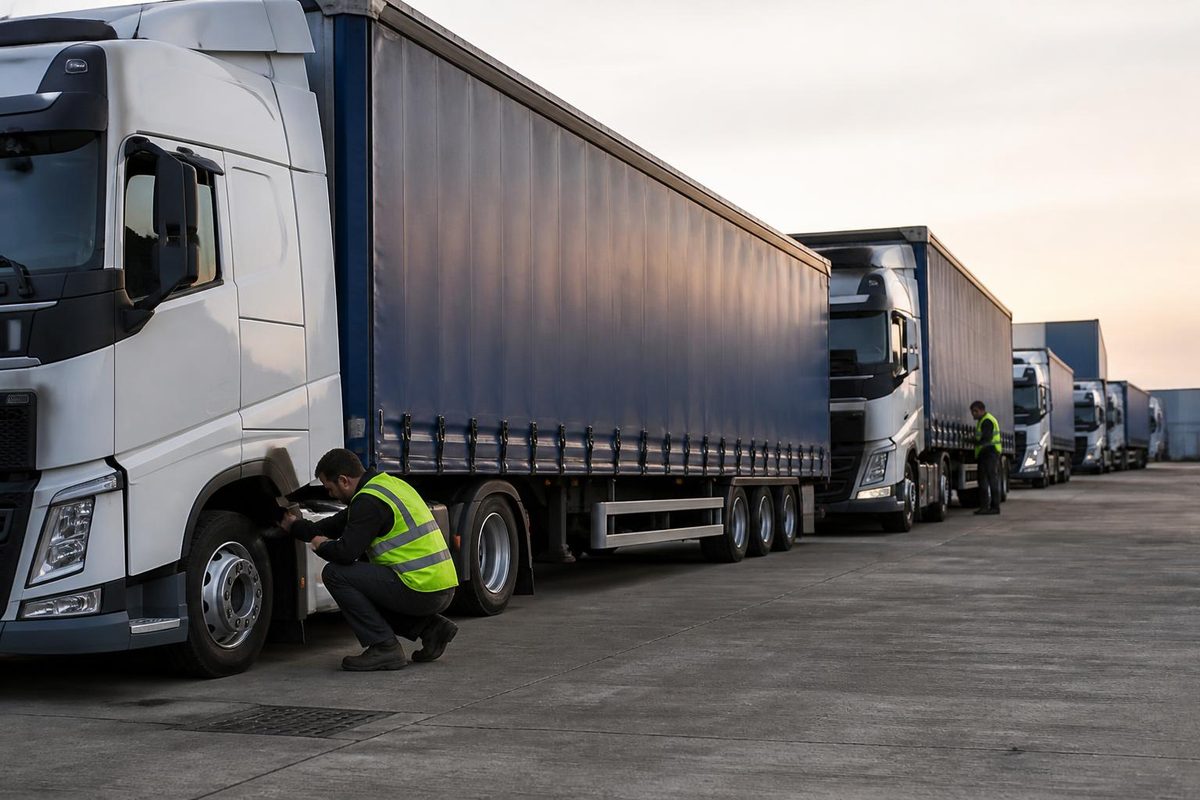
Haulage fleet insurance in brief
Haulage fleet insurance is motor cover for a business that moves other firms' freight by lorry for payment, with every vehicle on one schedule insured for haulage use. It is arranged around how the haulier wins and runs its work: regular contracts, spot loads from freight exchanges, and loads handed on to other carriers when the fleet is full.
Haulage is one of the transport trades covered under fleet insurance for trades. Most insurer questions are about the business behind the lorries rather than the lorries themselves.
How the work is won
Contract haulage or spot loads: how does the pattern of work shape the policy?
A haulier tied to one long-term customer looks different to an insurer from one picking up loads day to day. Brokers usually ask for a rough split between the two.
Contract haulage
Lorries working mainly for one customer on agreed routes, sometimes in that customer's colours.
- The contract may set out the insurance it expects
- Customers' own trailers are sometimes pulled
- Regular routes and drivers are easier to describe
Freight exchange and spot loads
Loads taken at short notice from exchanges, brokers and other hauliers.
- Load types can change from week to week
- Collection and delivery sites may be unfamiliar
- A single high-value load can exceed the usual limit
Return and back loads
Work found to fill an empty lorry on the run home.
- The goods may differ from the usual freight
- Worth checking certain loads are not excluded
- Timings can push drivers into an extra night out
Passing loads on
What happens when a haulier subcontracts a load to another carrier?
Busy hauliers often hand overflow work to other operators. The load usually stays the original haulier's responsibility, which is why insurers ask how it is done.
- Is subcontracting declared?: Some goods in transit policies only respond to loads on the haulier's own vehicles unless passing work on has been agreed with the insurer.
- Checks on the other carrier: Insurers often ask whether the subcontractor holds its own operator licence, motor cover and goods in transit cover, and how this is checked.
- Who answers to the customer: The customer normally looks to the haulier it booked, even when another firm's lorry had the goods at the time of the loss.
- Terms of carriage: Many hauliers trade under standard conditions of carriage that limit what they can be held liable for. Brokers usually ask which terms are used.
Small consignments handed to van operators on many-stop rounds are a different trade, described on multi-drop courier fleet insurance.
Goods in transit
Do goods in transit limits need to match each haulage contract?
Goods in transit cover is normally set as a limit per vehicle or per load. Different customers can ask for different limits, and any load worth more than the limit leaves the shortfall with the haulier.
Limit per load
Set to suit the most valuable freight the lorries regularly move, not the average load.
- Compare the limit with every customer contract
- Higher limits can sometimes be agreed for named loads
- Goods in transit cover
Freight insurers treat with care
Some goods are excluded outright or only covered once agreed in advance.
- Alcohol, tobacco, electronics and metals often carry conditions
- Livestock and hazardous goods tend to need specialist cover
- Laden lorries left unattended may have strict terms
Conditions of carriage
The terms a haulier carries under shape how much it can be asked to pay after a loss.
- Some conditions limit liability by the weight of goods
- A contract may ask for cover on full value instead
- A mismatch between terms and cover is worth spotting early
Nights out and the yard
Tramping drivers, overnight parking and yard security
Laden lorries parked away from base are where many haulage thefts happen. Insurers want to know where vehicles stand each night: back at the yard, at a truck stop or in a lay-by.
Drivers away for the week
Drivers who sleep in the cab and run for several days before returning to base.
- Secure truck stops are often preferred to lay-bys
- Conditions may apply to laden lorries parked overnight
- Curtain slashing and fuel theft are worth asking about
Security at the operating base
Most lorries and trailers spend their nights and weekends at the yard.
- Fencing, gates, lighting and cameras
- Keys kept away from the vehicles
- Trailers left loaded over a weekend
Agency cover at busy times
Hauliers often bring in agency drivers when work peaks.
- Some insurers approve agency drivers first
- Licence and tachograph checks are often asked about
- New starters may face an experience condition
Before a quote
What does a broker ask a haulage firm before quoting?
A haulage quote rests on how the business trades as much as on the lorries it owns. These are the points a broker is likely to cover.
- Who the customers areA few long-term contracts, many spot customers, or a mix of both.
- SubcontractingHow often loads go to other carriers and how those carriers are checked.
- Freight carriedGeneral goods, high-value loads, temperature-controlled or hazardous freight.
- Goods in transit limitsThe highest load value and the limits customers ask for.
- Nights awayHow often drivers tramp and where laden lorries park.
- Yard securityFences, gates, lights, cameras and key control at the base.
How it works
One quote form, specialist fleet brokers
Insure Fleet is an information site, not an insurer or a broker. We link you to MyMoneyComparison.com, a comparison service that gives businesses a gateway to brokers who arrange fleet insurance every day.
Start your quote
Get my fleet quote takes you to our partner, MyMoneyComparison.com.
Describe the haulage fleet
The form asks about the vehicles, the work they do and who drives, so you can be matched with a specialist fleet broker.
Compare and decide
A broker contacts you with options, subject to insurers' acceptance criteria. There is no obligation to buy.
Before you buy
Questions worth raising about a haulage policy
Haulage contracts often carry their own insurance terms. These points are worth settling before a new customer's first load.
- Does goods in transit follow subcontracted loads?Some policies stop at the haulier's own lorries.
- Is the limit high enough for the largest contract?One valuable load can be worth far more than the rest.
- Are back loads and spot work included?Freight outside the usual pattern may need agreeing.
- What terms apply to laden lorries overnight?Parking conditions can decide whether a theft is paid.
- Which conditions of carriage does the cover assume?The policy and the trading terms need to line up.
- Can a customer be noted on the policy?Some contracts ask to be named as an interested party.
FAQs
Haulage fleet insurance questions
What is haulage fleet insurance?
Haulage fleet insurance is a motor policy for a business carrying other firms' freight by lorry for payment, with all its vehicles on one schedule. It is shaped by the haulier's contracts, subcontracting and overnight risks, with goods in transit cover alongside for the loads.
How is haulage fleet insurance different from HGV fleet insurance?
The two overlap. This page looks at the haulage business: customers, contracts, subcontracted loads and nights away. The detail on insuring lorries by weight, body type and trailer sits on the HGV fleet page, and many hauliers will find both useful.
Is a load I subcontract to another haulier still my responsibility?
Usually, as far as the customer is concerned. The customer booked your firm, so a loss on a subcontractor's lorry often comes back to you first. Whether your goods in transit cover responds depends on the policy, so subcontracting is worth declaring.
What does goods in transit cover not include for hauliers?
Common gaps include theft from a lorry left unattended outside agreed conditions, certain high-risk freight and loads worth more than the limit. A customer's lost profit from a late delivery is often outside it too.
Can a new haulage company get fleet insurance?
Yes, though without a claims record insurers lean more on the directors' experience, the drivers and the customers lined up. The page on fleet insurance for a new business explains what insurers look for when there is no fleet history.
Can an owner-driver with one lorry get haulage cover?
A single lorry is usually insured on its own policy. The sister site hgv.insure covers individual lorry insurance. Hauliers running scheduled regional routes from a depot may also find distribution fleet insurance a closer fit.
Does Insure Fleet sell insurance?
No. Insure Fleet is an information site and an affiliate of MyMoneyComparison.com, a comparison service that gives businesses a gateway to specialist brokers. When you start a quote you continue to MyMoneyComparison.com, and we may be paid a small commission if you are matched with and speak to a broker.
Ready to get your haulage fleet covered?
One form, specialist haulage brokers, no obligation.