Mixed fleet insurance for cars, vans and lorries on one policy
Different types of vehicle on a single schedule, each insured for the work it actually does, with one renewal date for the lot. Fill in one short form to be put in touch with specialist brokers who arrange multi vehicle fleet cover for UK businesses.
- Cars, vans and lorries together
- A class of use for each vehicle
- One schedule, one renewal date
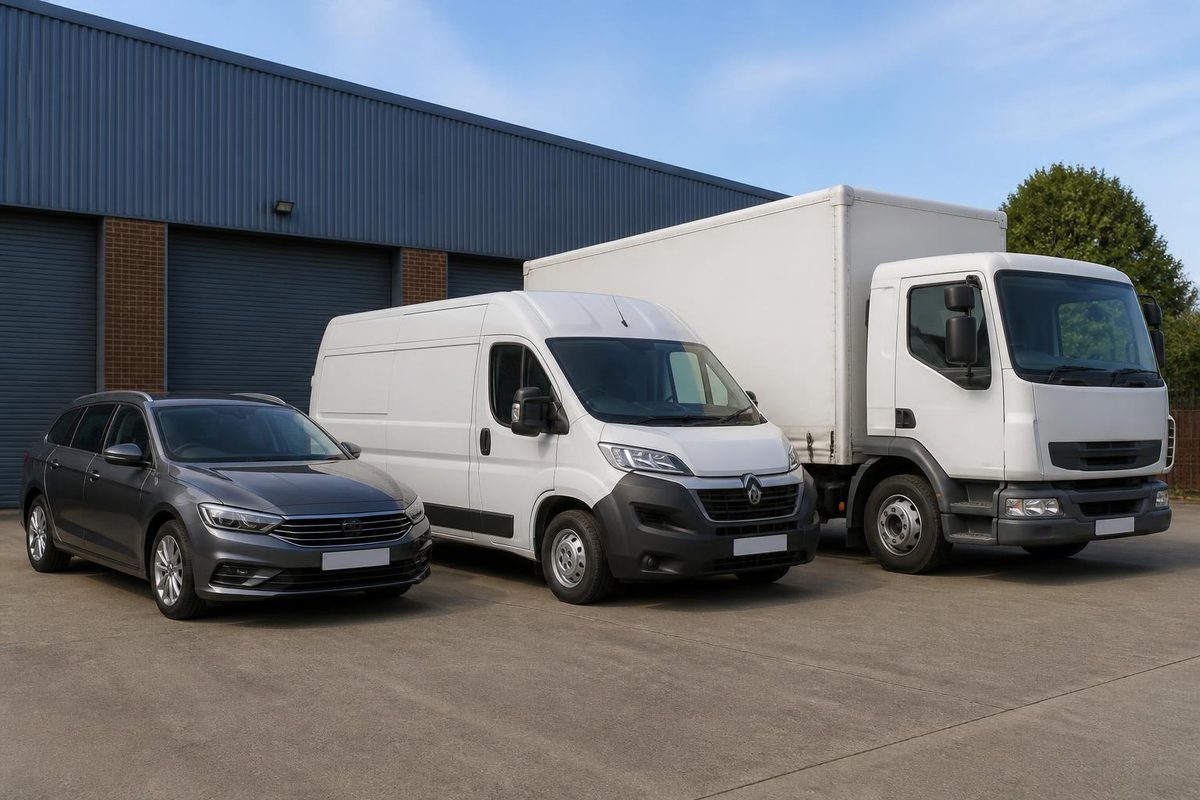
Mixed fleet insurance in brief
Mixed fleet insurance is one motor policy that covers different types of business vehicle, such as cars, vans and lorries, on a single schedule. It is sometimes called multi vehicle fleet insurance, and it suits businesses whose vehicles do different jobs, from a director's car to a tipper or a minibus.
Each vehicle is listed with its own class of use, driver terms and level of cover, so the policy reflects what every vehicle is for. Businesses that only run one type of vehicle are usually better matched with a single-type scheme, and firms with just a handful of vehicles may find small fleet insurance a closer fit.
What can go on it
Which vehicles can share a multi vehicle fleet policy?
Almost any road vehicle a business owns or leases can sit on a mixed schedule, subject to the insurer's acceptance criteria. Some insurers are comfortable with cars and vans but not heavier vehicles, so the mix itself shapes who will quote.
One schedule, many uses
How does one policy cover vehicles doing different jobs?
The schedule lists every vehicle with its own use. That is what lets one policy cover a car on client visits and a lorry on haulage work at the same time, without either being over or under insured.
| Vehicle on the schedule | Usual class of use | What the insurer asks about |
|---|---|---|
| Company or pool car | Personal, commuting and business use | Who may drive it and whether partners are included |
| Trade or service van | Carriage of own goods | Tools left inside overnight and any racking or conversions |
| Delivery van | Hire and reward | Goods in transit and the type of work carried out |
| Lorry | Own goods or haulage | Operator licence, body type and what is carried |
| Minibus | Carrying staff or passengers | Seat count and whether passengers pay |
These are typical examples. The right class of use depends on what each vehicle really does, not on its type.
Drivers and licences
Can different drivers be allowed on different vehicles?
Yes, and on a mixed fleet that is common. The cars might be open to any qualifying employee while the lorries are limited to named, experienced drivers. How any driver fleet insurance works alongside named driver terms is worth raising with the broker.
Standard car licence
A full car licence usually covers cars and vans up to 3.5 tonnes.
- Any driver terms are often available
- Younger drivers may carry a higher excess
- Some insurers set a minimum licence age
Extra licence entitlement
Lorries need the right licence category for their weight, and drivers often need a professional qualification.
- Usually named or experienced drivers only
- Licence categories are checked per driver
- Older car licences may include vehicles up to 7.5 tonnes
Minibus drivers
Who can drive a minibus depends on the licence held and whether passengers pay.
- Seat count affects the licence needed
- Paid passenger work may need a permit
- Insurers may ask about driver training
One policy or several
Is one mixed policy better than separate fleet policies?
For many businesses it is simpler, but it is not automatic. Both set-ups have trade-offs that depend on the vehicles and the work.
Everything on one schedule
All vehicles with one insurer, one renewal and one point of contact for claims.
- One renewal date to manage
- One claims process across the fleet
- New vehicles of any type added the same way
Split by vehicle type
Cars with one insurer, lorries with another, each chosen for that type of risk.
- A specialist insurer for each vehicle type
- A claim on one policy does not affect the other
- More renewals and paperwork to keep track of
Pricing
What affects the price of mixed fleet insurance?
Insurers price a mixed fleet on its make-up as well as its size. These points usually come up when a broker puts a quote together.
- The balance of the fleetMostly cars with one lorry is a very different risk from mostly lorries with a few cars.
- Heavier vehiclesLorries and tippers usually carry more weight in the price than cars or small vans.
- Classes of useHire and reward and haulage work are rated higher than own goods or personal use.
- The driversLicence categories, experience, convictions and past claims for each group of drivers.
- Where vehicles are basedOne depot, several sites, or vehicles kept at staff homes.
- The fleet's claims recordClaims across all vehicle types, not just the ones being added.
- Excess structureSeparate excesses for cars, vans and lorries are common on one policy.
- ExtrasBreakdown, replacement vehicles, windscreen cover and trailer cover.
How it works
One quote form, specialist fleet brokers
Insure Fleet is an information site, not an insurer or a broker. We link you to MyMoneyComparison.com, a comparison service that gives businesses a gateway to brokers who arrange fleet insurance every day.
Start your quote
Get my fleet quote takes you to our partner, MyMoneyComparison.com.
Describe the mixed fleet
The form asks about the vehicles, the work they do and who drives, so you can be matched with a specialist fleet broker.
Compare and decide
A broker contacts you with options, subject to insurers' acceptance criteria. There is no obligation to buy.
Before you buy
Questions worth asking about any mixed fleet policy
With several vehicle types on one schedule, small gaps are easy to miss. These are the points worth going through with the broker.
- Is every vehicle on the right use?One van doing deliveries can need hire and reward even if the rest do not.
- Are driver terms set per vehicle type?Lorries and minibuses often have tighter driver rules than the cars.
- How are trailers treated?Some policies list each trailer; others cover them up to a set size.
- Is there a different excess for each type?Lorries and young drivers often carry their own excess.
- Can new vehicles of any type be added?Adding a first lorry or minibus mid-term may need the insurer's agreement.
- Is a replacement vehicle the same type?A courtesy car is little use if the vehicle off the road is a tipper.
- Does breakdown cover the heavier vehicles?Recovery for lorries is often a separate arrangement.
- Are goods and tools covered?What the vehicles carry is usually insured separately from the vehicles.
FAQs
Mixed fleet insurance questions
What is mixed fleet insurance?
Mixed fleet insurance is one motor policy that covers different types of business vehicle, such as cars, vans and lorries, on a single schedule. Each vehicle has its own class of use and driver terms, but there is one renewal date and one insurer.
Is multi vehicle fleet insurance the same as mixed fleet insurance?
Usually, yes. Both terms describe one policy covering several vehicles of different types. Some insurers also use multi vehicle to mean a policy for a household or a few business vehicles, so it helps to describe the fleet in full when asking for a quote.
Can a lorry go on the same policy as company cars?
Often, depending on the insurer. Some insurers are happy to add lorries to a car and van fleet, while others only quote for lighter vehicles. The lorry will usually need an operator licence and a driver with the right licence category.
Does every vehicle need the same level of cover?
Not always. Many mixed fleet policies let older or lower value vehicles go on third party, fire and theft while newer vehicles stay on comprehensive. It is worth checking how this is shown on the schedule.
What happens if one van starts doing delivery work?
That van will usually need hire and reward use added before it carries other people's goods for payment. If delivery work grows across the fleet, courier fleet insurance may suit that part of the business better.
Are trailers covered on a mixed fleet policy?
Many policies cover third party liability while a trailer is attached to an insured vehicle. Damage to or theft of the trailer itself usually needs to be listed or added, so it is worth asking how each trailer is treated.
Can electric and diesel vehicles share one policy?
Yes. Electric cars and vans sit on a mixed schedule like any other vehicle, though battery damage, charging cables and repair times are worth asking about. There is more on this in our guide to electric fleet insurance.
Does Insure Fleet sell insurance?
No. Insure Fleet is an information site and an affiliate of MyMoneyComparison.com, a comparison service that gives businesses a gateway to specialist brokers. When you start a quote you continue to MyMoneyComparison.com, and we may be paid a small commission if you are matched with and speak to a broker.
Ready to get your mixed fleet covered?
One form, specialist fleet brokers, no obligation.