Fleet insurance comparison
Fleet insurance for every vehicle your business runs
Cars, vans, lorries, minibuses or a mix of them all on one policy. Fill in one short form to be put in touch with specialist brokers who arrange fleet cover for UK businesses.
- Small fleets to large operators
- Mixed vehicle types
- Any driver or named driver options
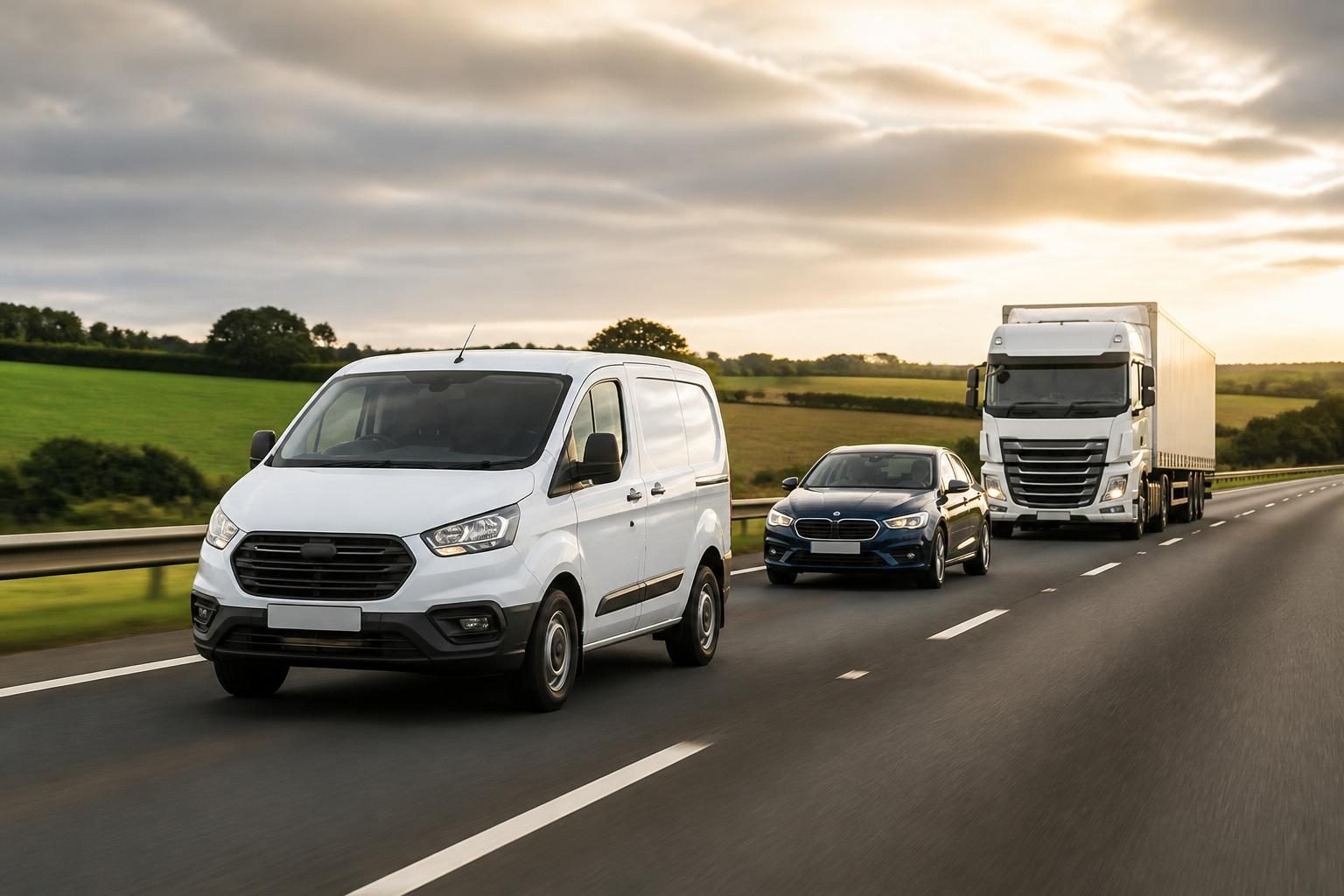 Cars, vans and lorries on one policy
- Start one quoteTell us about your vehicles, drivers and the work they do.
- Get matchedA specialist fleet insurance broker looks at your details.
- Compare and decideOptions subject to insurers' acceptance criteria, with no obligation to buy.
Fleet insurance in brief
Fleet insurance is one motor policy that covers several business vehicles together, rather than a separate policy for each one. It can cover cars, vans, lorries, minibuses and other vehicles on a single schedule with one renewal date. Many insurers offer fleet cover from as few as two or three vehicles, depending on the insurer.
Insurers price a fleet on the vehicle types, what they are used for, who drives them, where they are kept and the claims history of the business as a whole.
Cover by fleet type
Fleet insurance for the vehicles you actually run
A fleet of company cars is a different risk from a fleet of coaches, hire vans or tractors. Choose the closest match to see what cover usually involves.
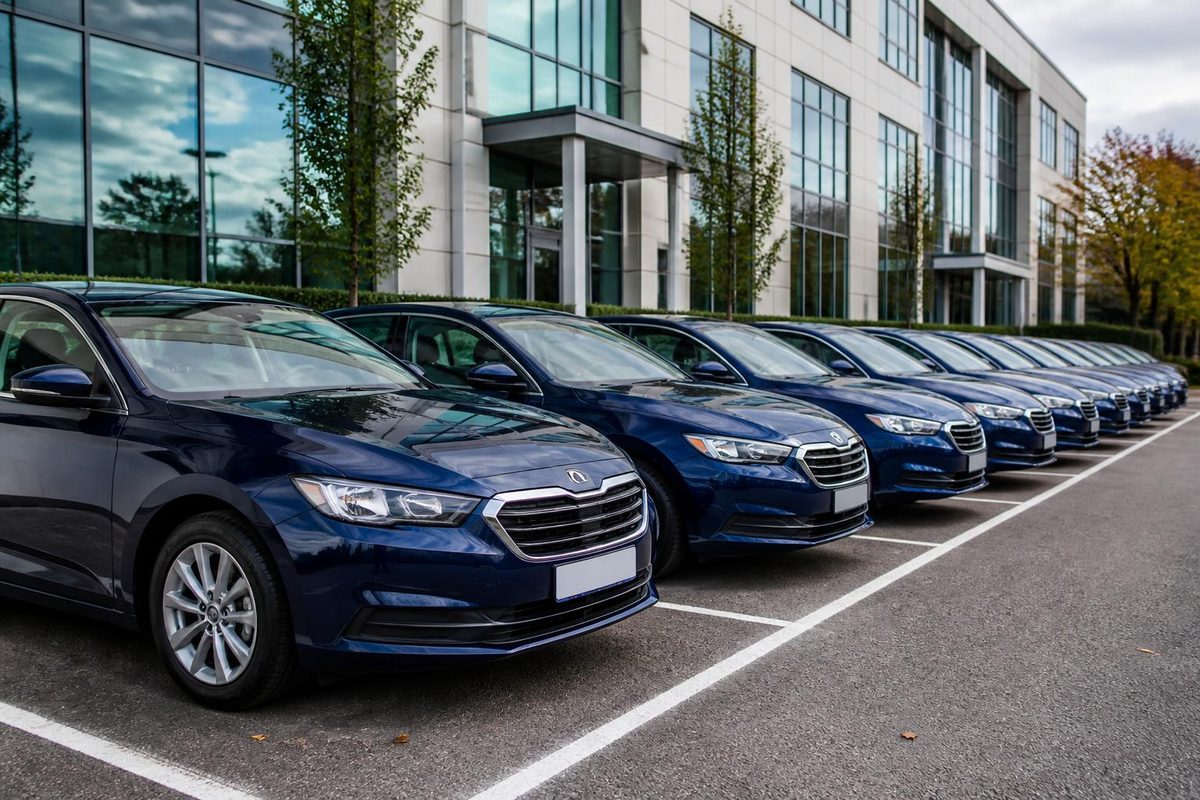
Car fleet insurance
Company cars, pool cars and sales fleets, including cars staff use for business and personal trips.
Car fleet cover →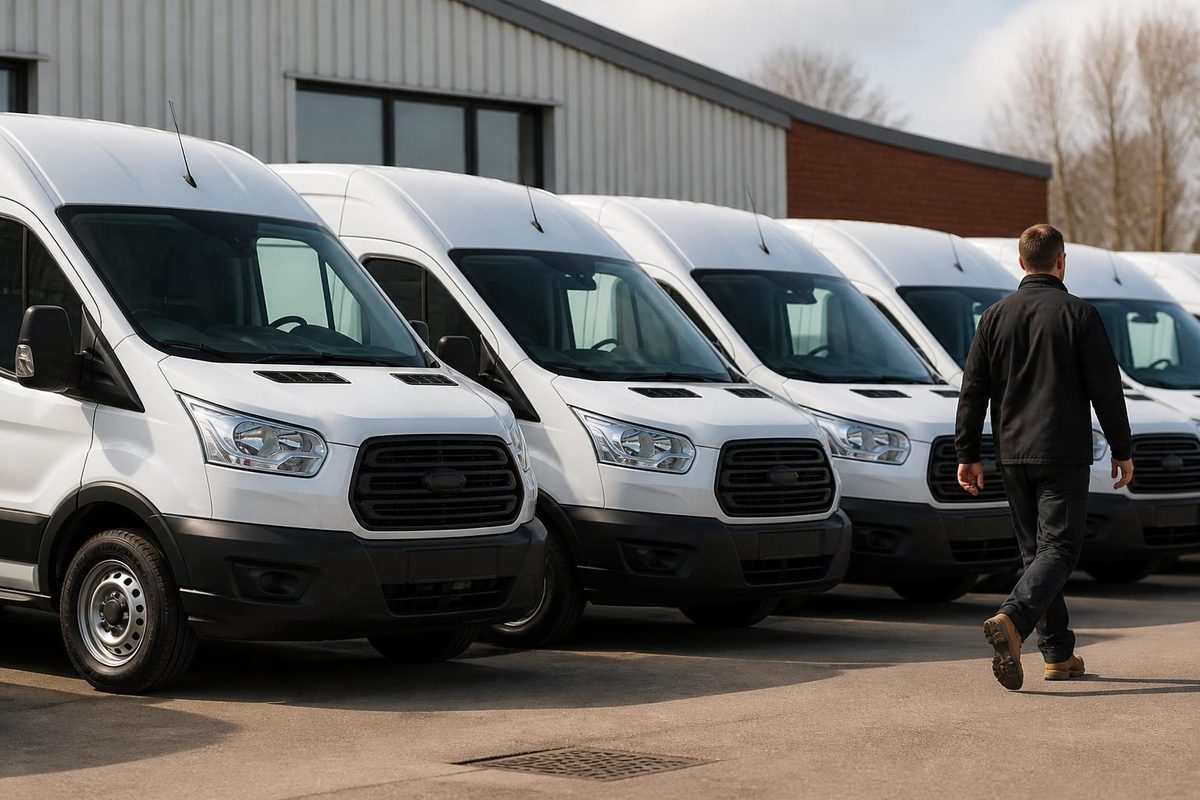
Van fleet insurance
Small vans to large panel vans for trades, service engineers, retailers and delivery businesses.
Van fleet cover →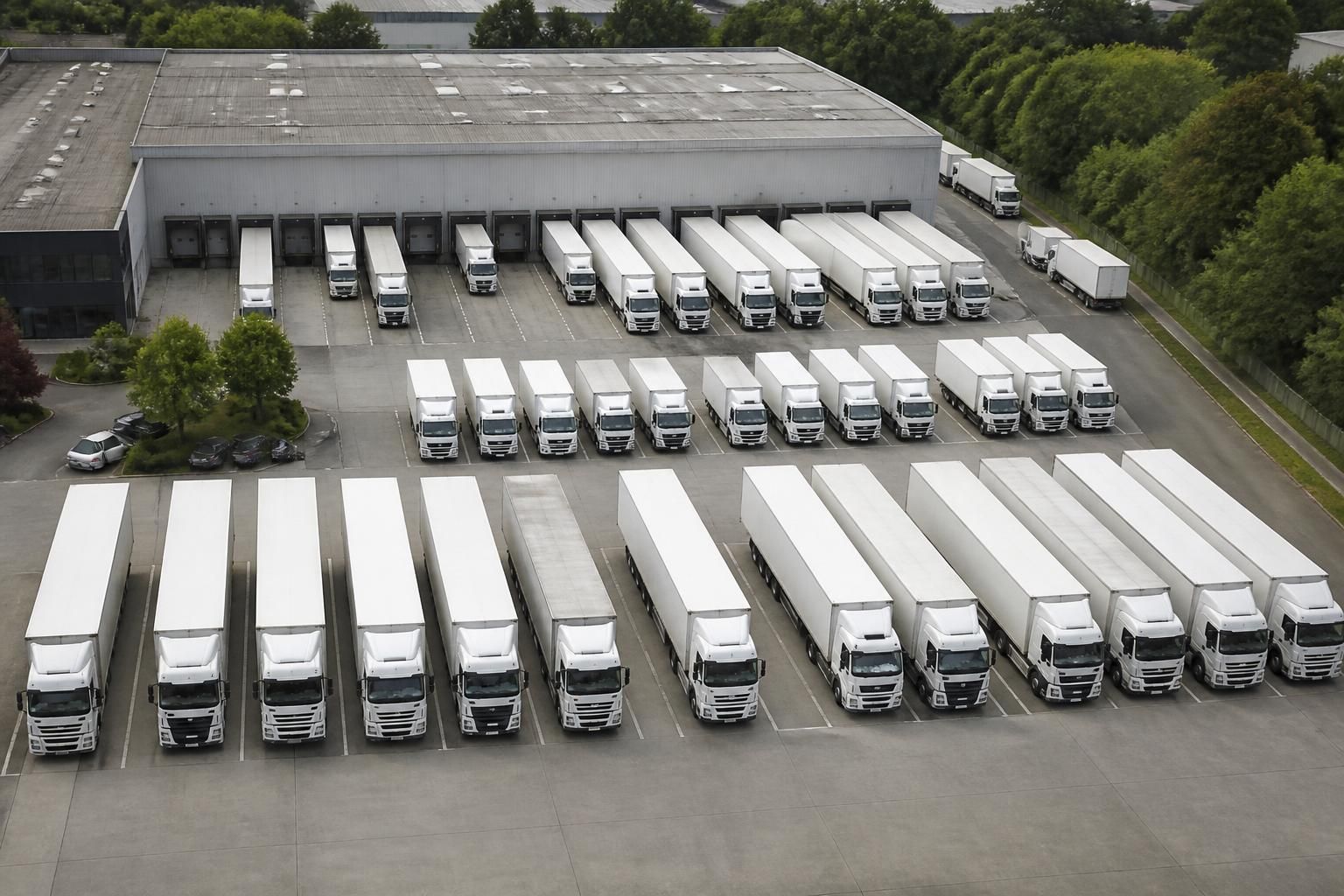
HGV and lorry fleet insurance
Rigids, artics and specialist lorries over 3.5 tonnes, on haulage or carrying your own goods.
HGV fleet cover →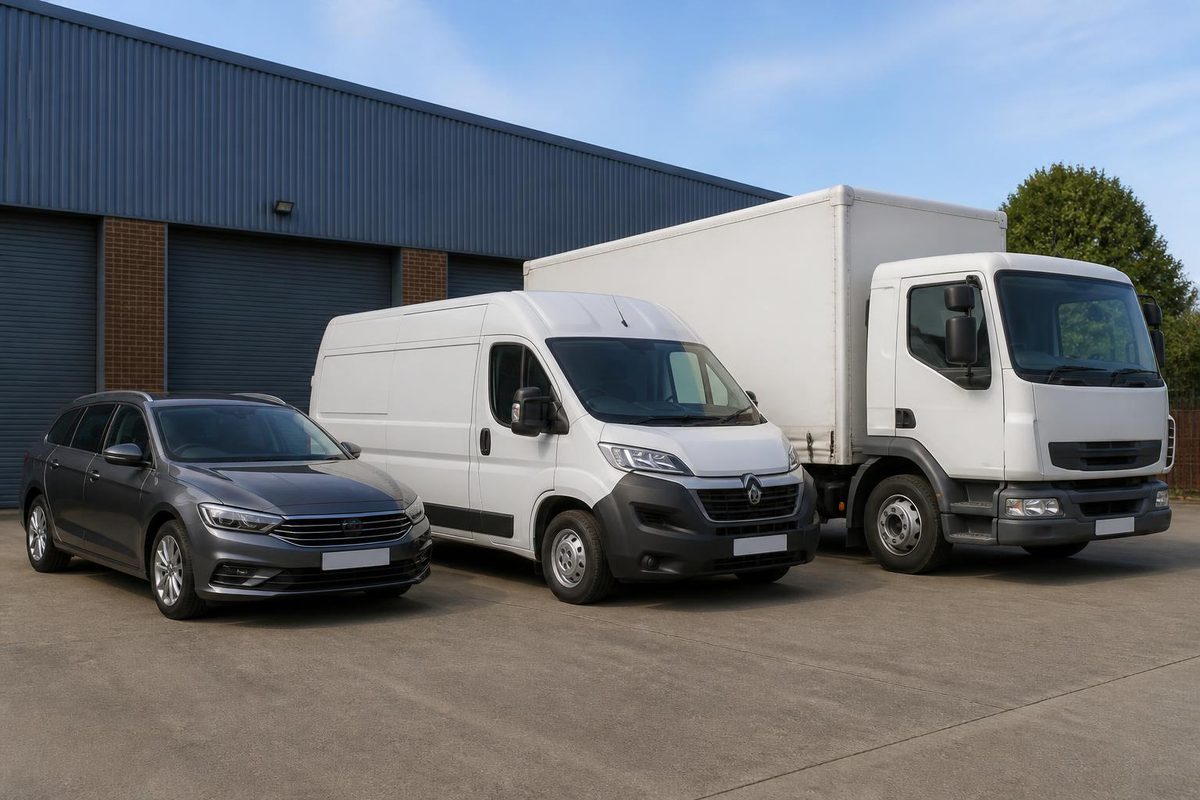
Mixed fleet insurance
Cars, vans and lorries together on one policy, with one schedule and one renewal date.
Mixed fleet cover →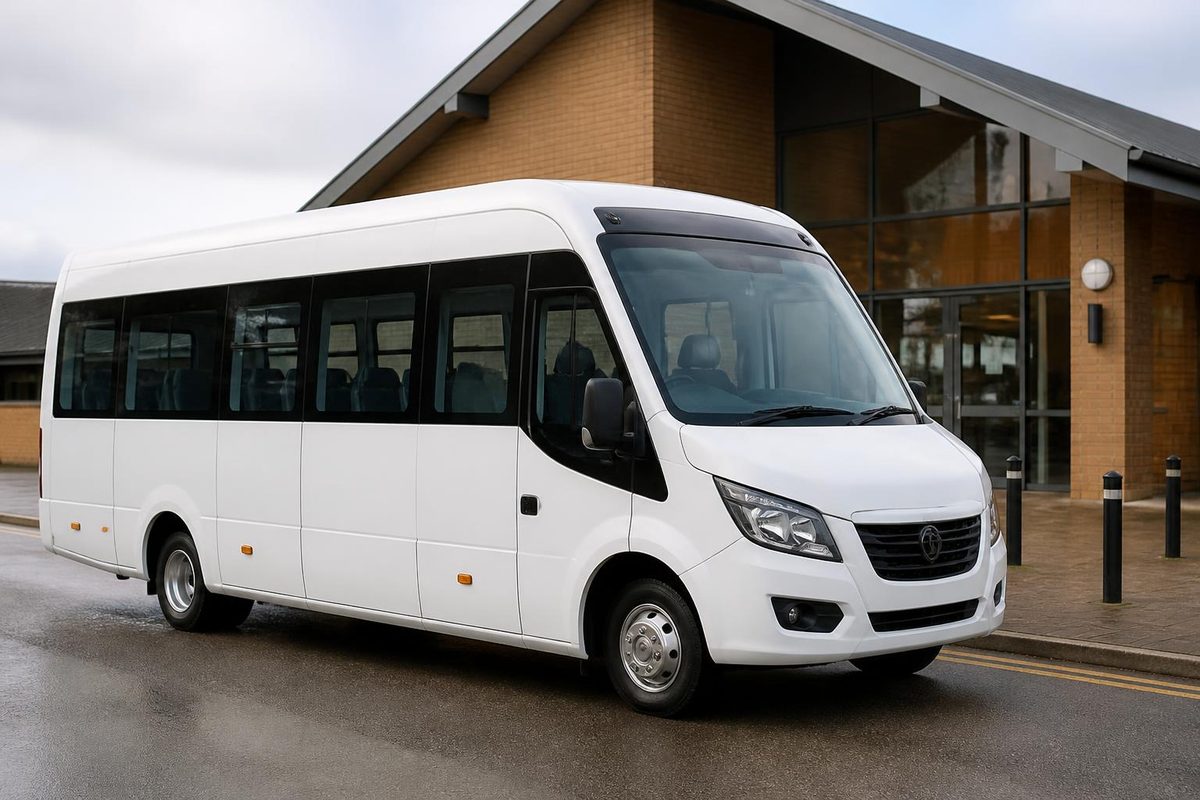
Minibus fleet insurance
Minibuses for schools, charities, community groups and private hire firms, with or without paid passengers.
Minibus fleet cover →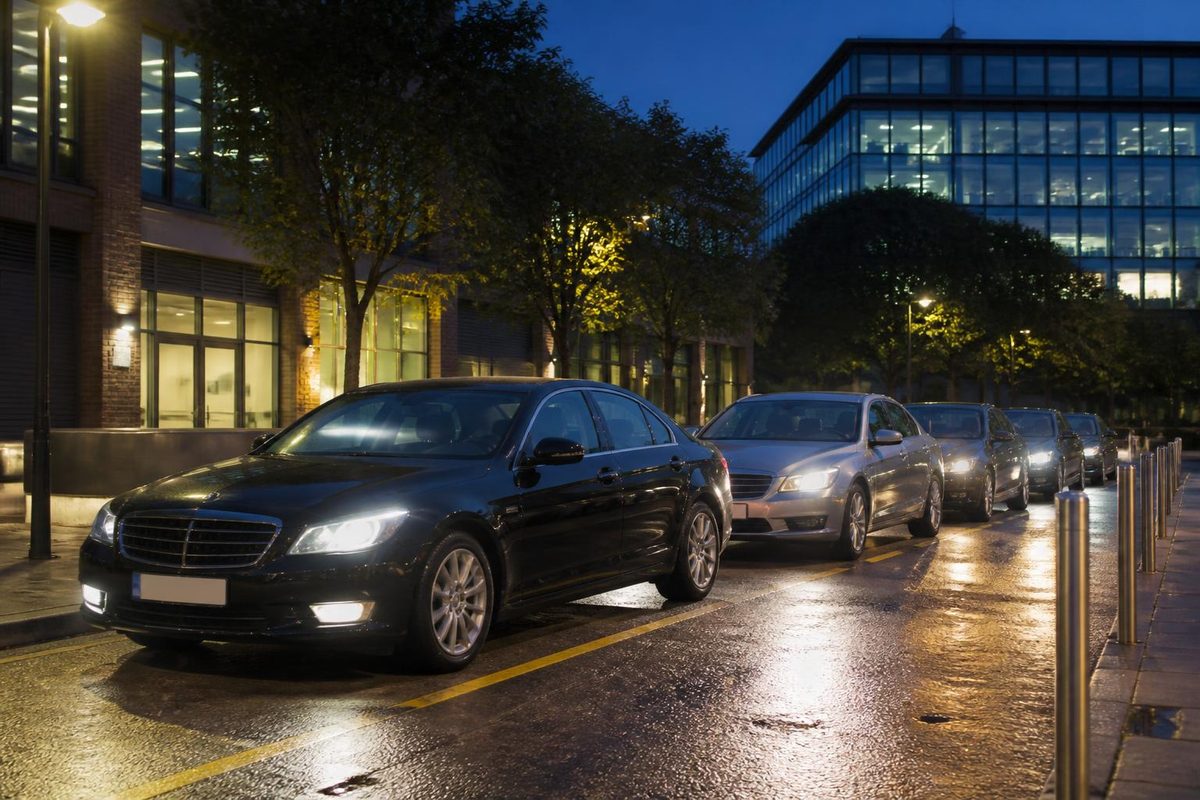
Taxi and private hire fleets
Public hire and private hire vehicles run by a firm, covered for carrying fare-paying passengers.
Taxi fleet cover →
Courier and delivery fleets
Vans and cars carrying other people's goods for payment, with hire and reward use on each vehicle.
Courier fleet cover →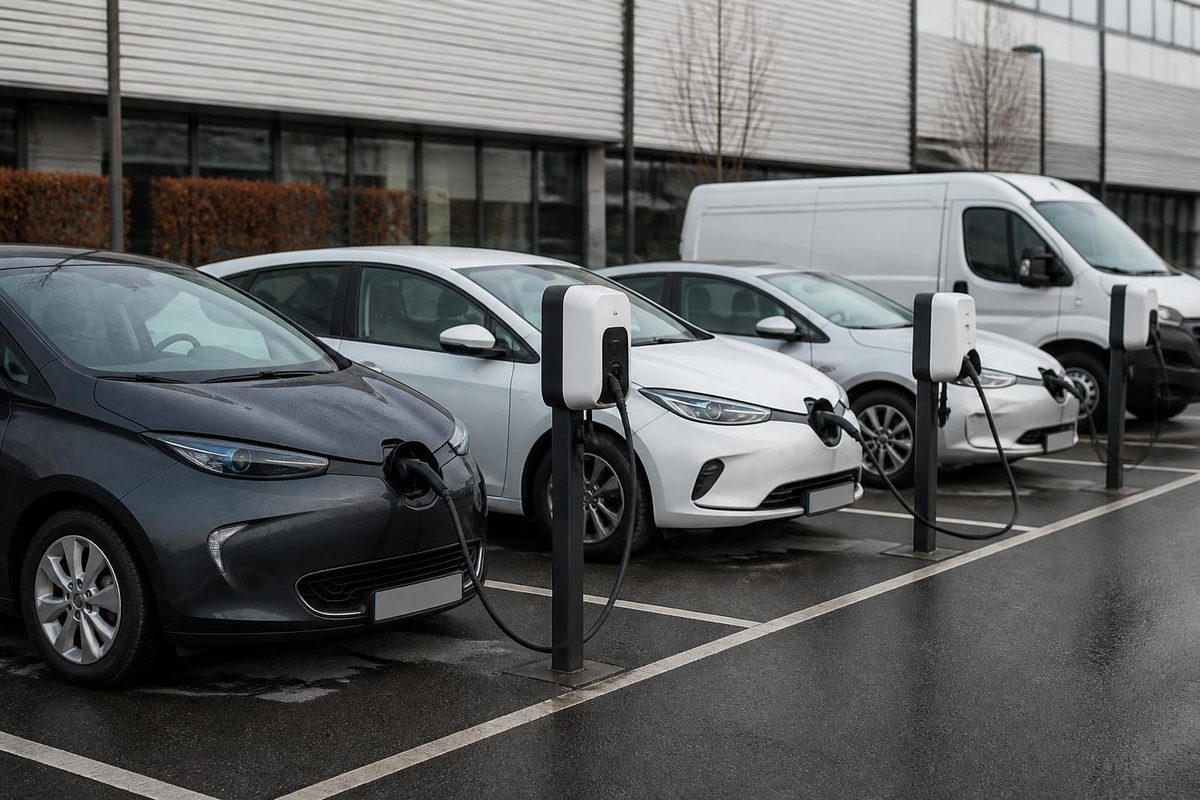
Electric vehicle fleets
Electric and hybrid cars and vans, where batteries, charging cables and repair costs are worth checking.
EV fleet cover →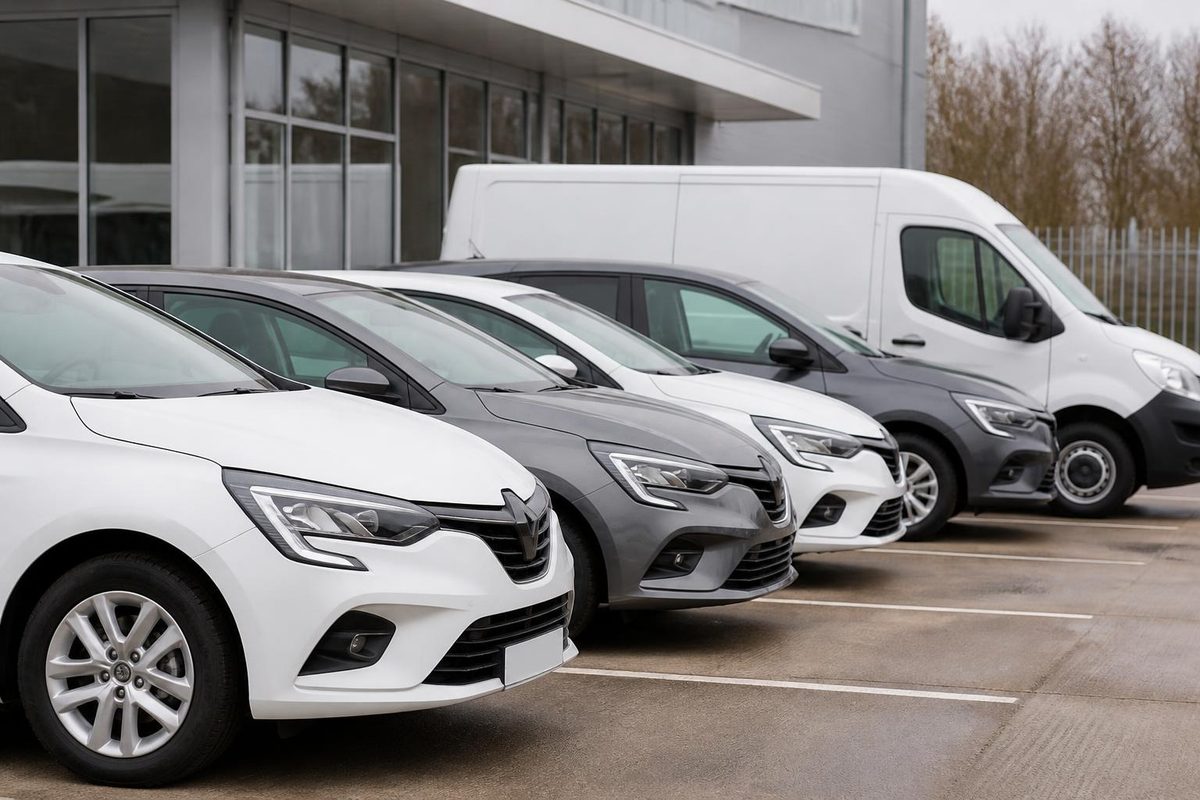
Self-drive hire fleets
Cars and vans hired out to customers, where the person driving changes with every rental.
Self-drive hire cover →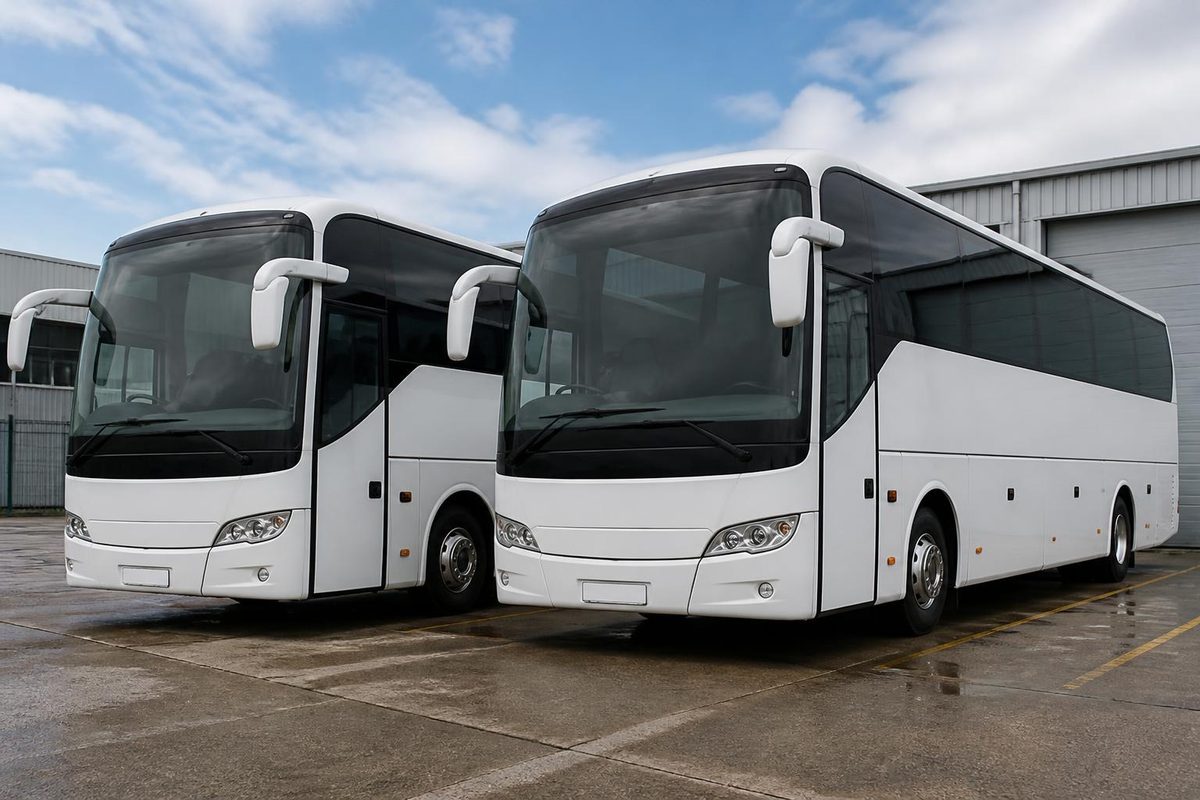
Coach and bus fleets
Coaches and buses for tours, school contracts and scheduled routes, run under a PSV operator licence.
Coach fleet cover →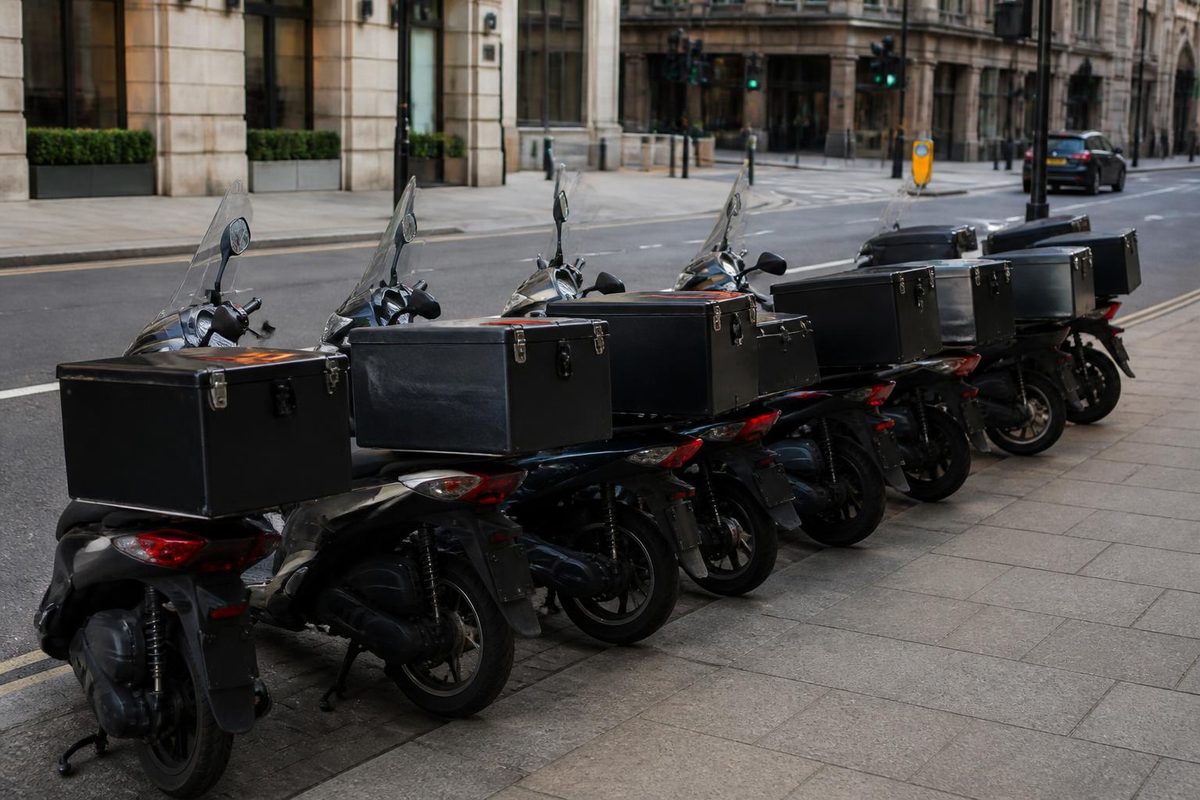
Motorcycle and scooter fleets
Delivery bikes and scooters for couriers, takeaways and rental schemes, on one policy.
Motorcycle fleet cover →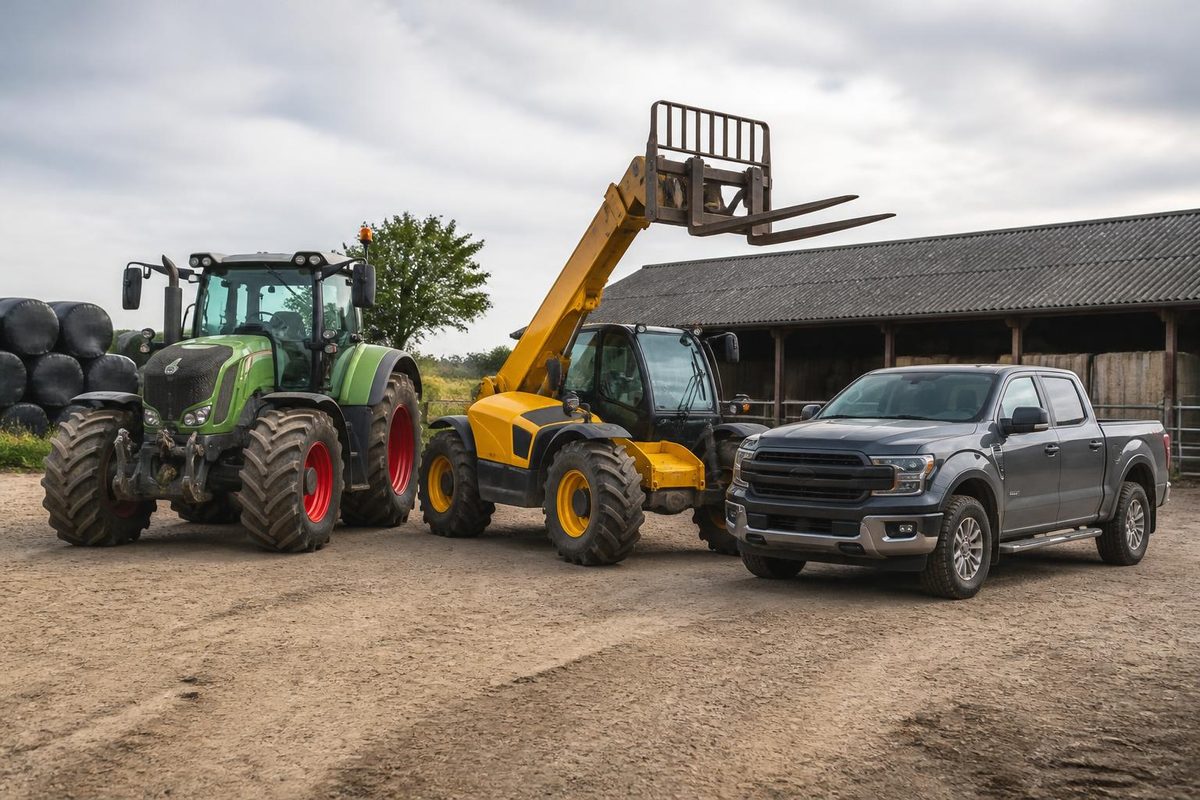
Agricultural and plant fleets
Tractors, telehandlers and plant that travel on the road, often alongside pickups and vans.
Agricultural fleet cover →Cover by business
Fleet cover shaped around the size and stage of your business
Insurers look at the business as closely as the vehicles. A new company with three vans is rated differently from an established operator with a long claims record.
Mini fleets
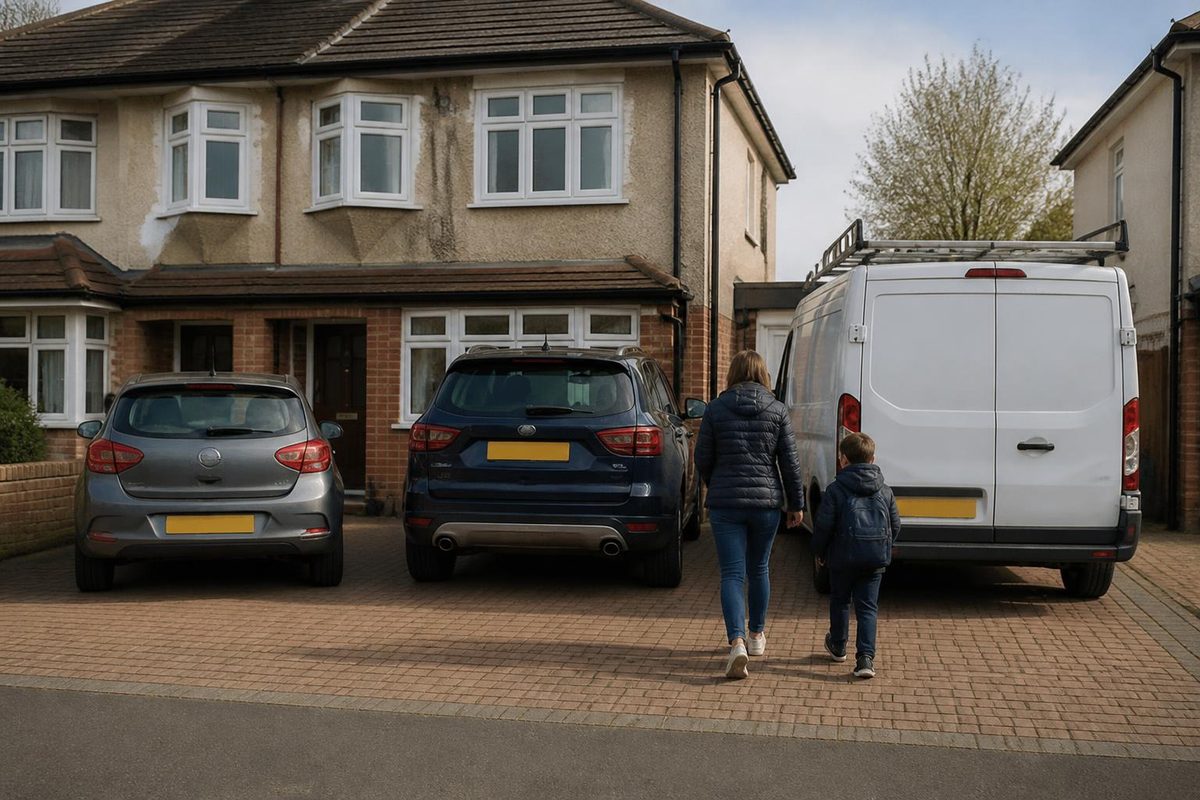
A household or sole trader putting family cars and a work van on one policy, with named drivers across both.
Mini fleet cover →
Company fleets
Company cars and small vans used by staff, including cars taken home and pool cars.
Company fleet cover →
Small fleets
A handful of vehicles, moving from separate policies to one fleet policy.
Small fleet cover →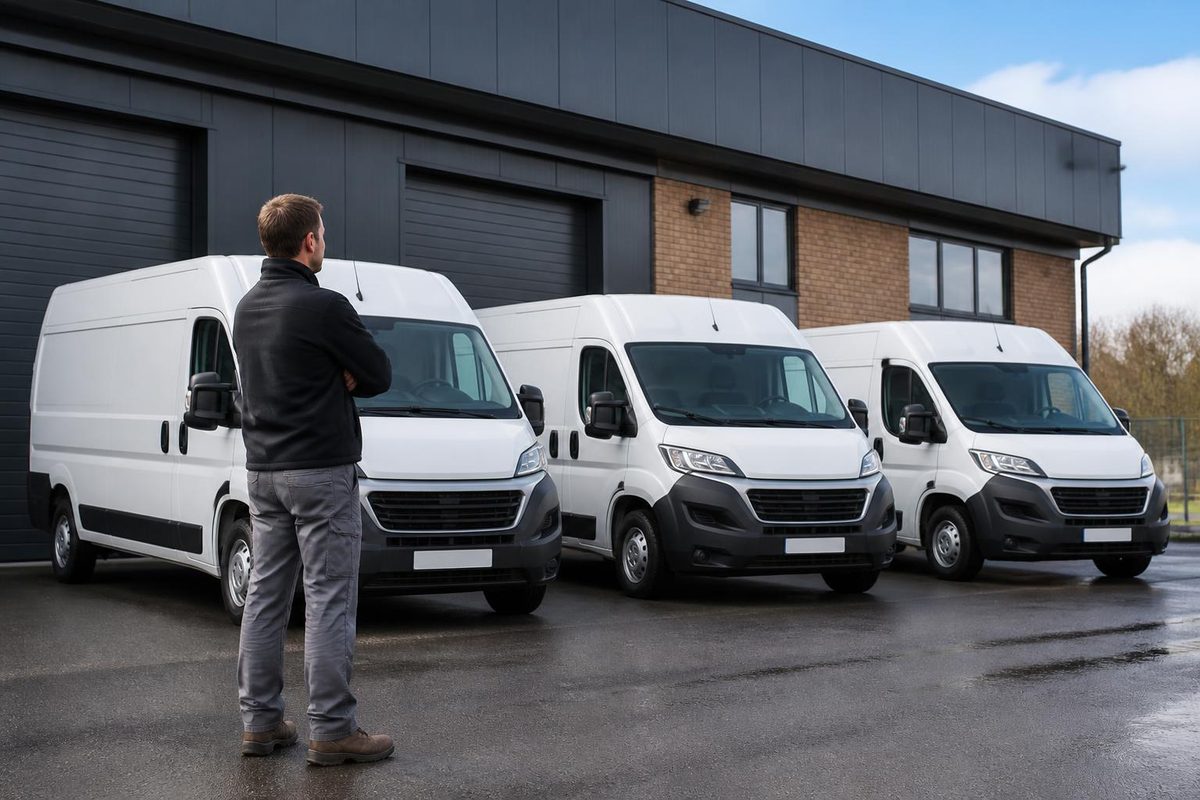
New businesses
No fleet claims history in the company's name yet, so driver records carry more weight.
New business cover →
Any driver fleets
Vehicles shared between staff, subject to the insurer's age and licence terms.
Any driver cover →
Larger fleets
Established operators where claims records, risk management and telematics shape the terms.
Larger fleet cover →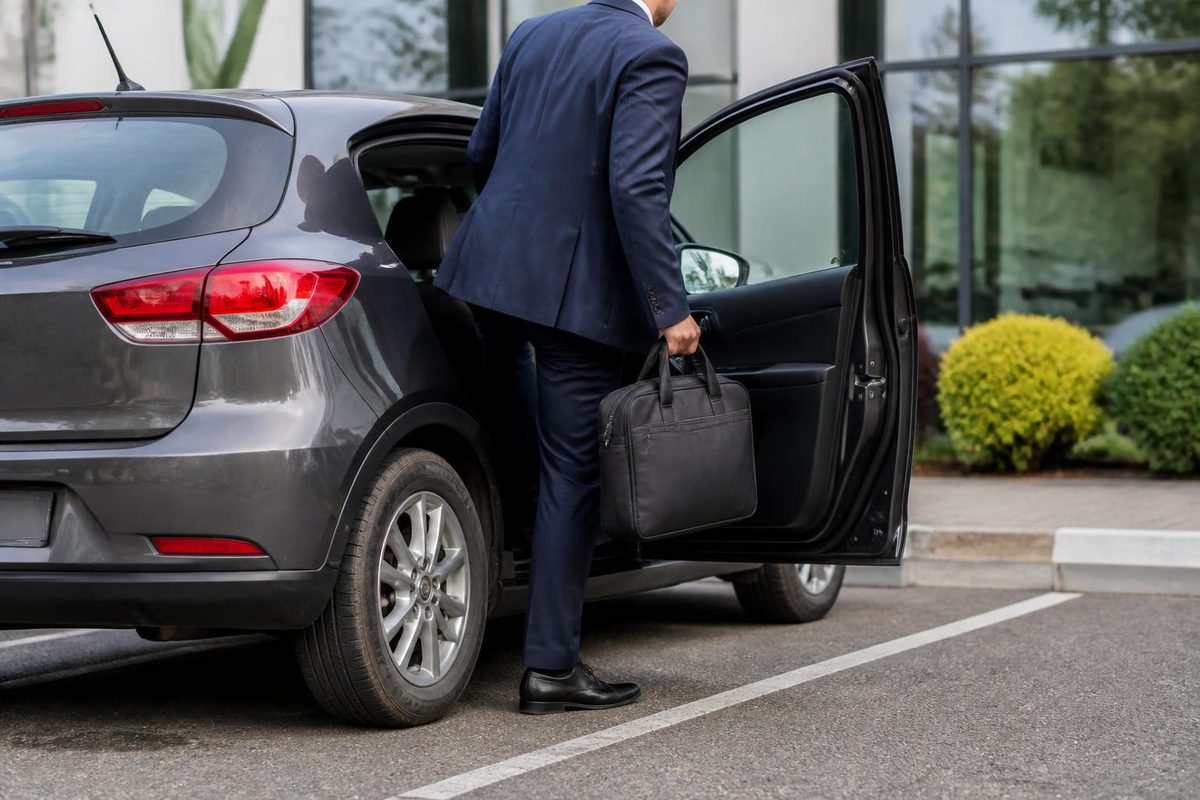
Grey fleets
Staff driving their own cars for work, where each driver's policy needs to include business use.
Grey fleet cover →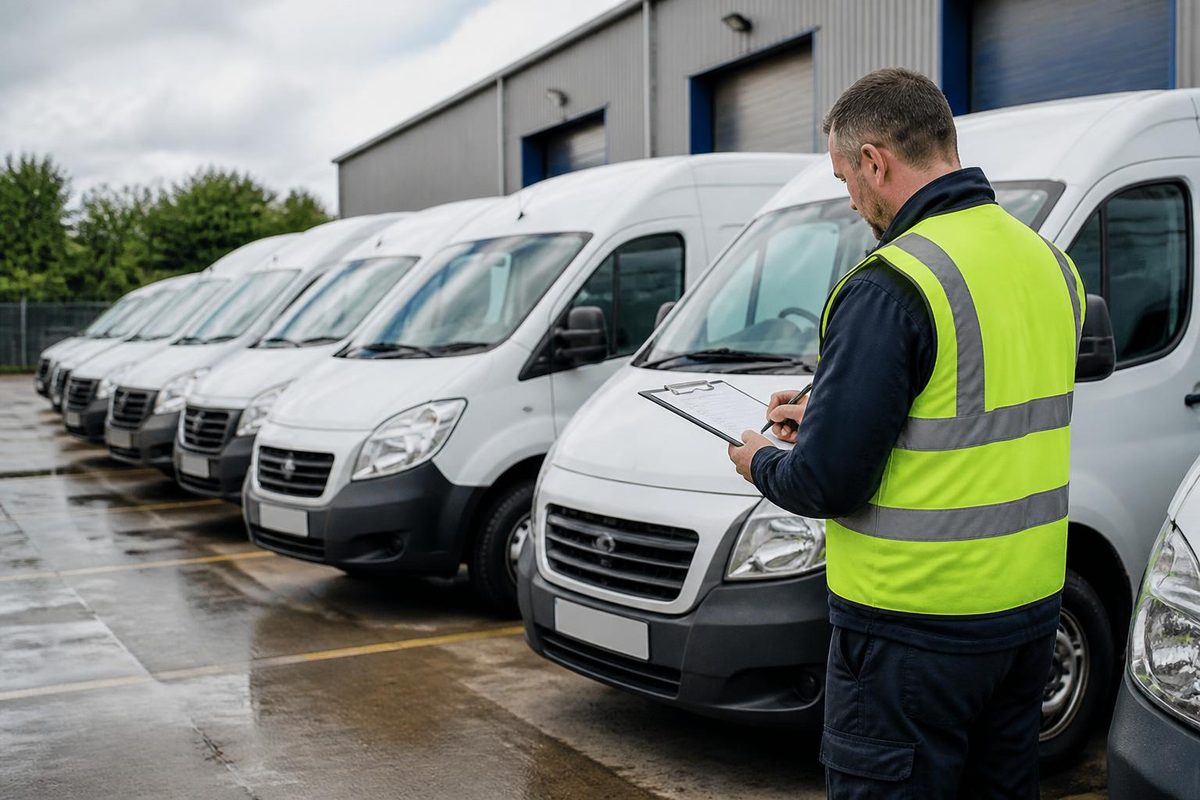
Convicted and high-risk drivers
Fleets with drivers who have motoring convictions, points or recent claims, placed with specialist insurers.
High-risk driver cover →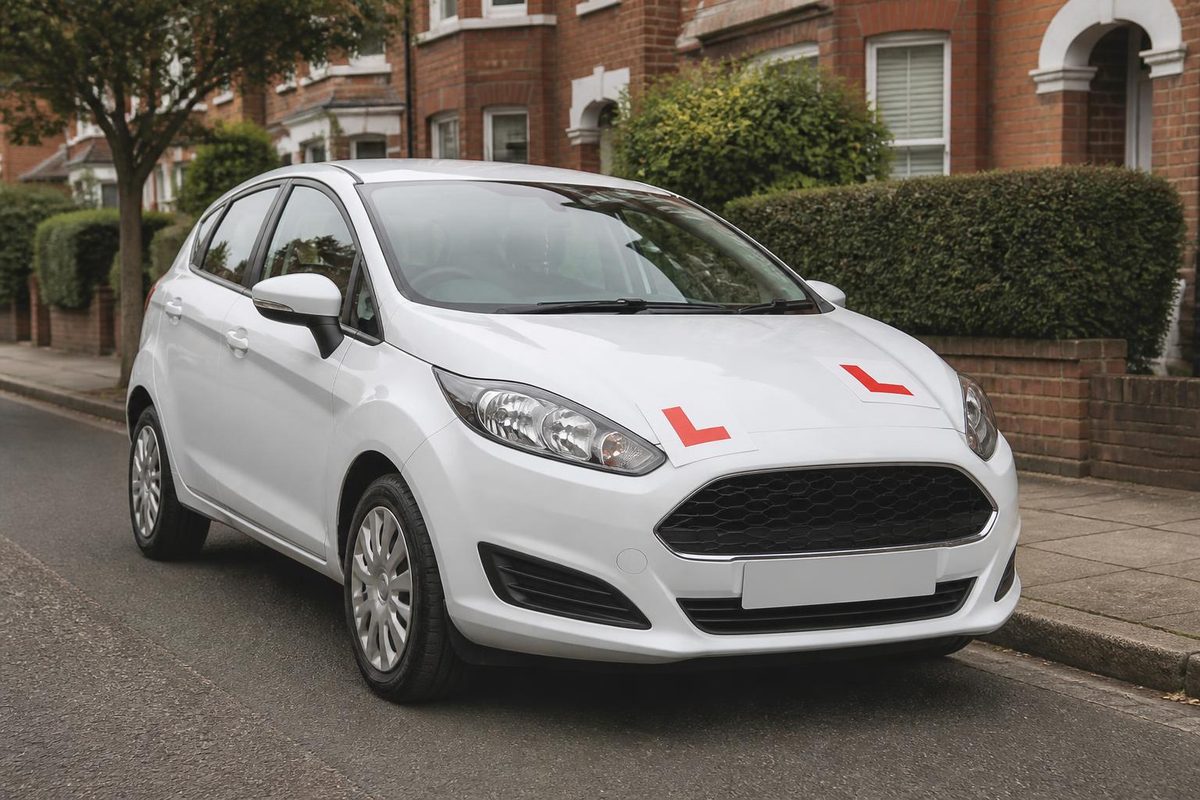
Driving school fleets
Dual-control cars for driving schools and instructors, covering learners during lessons.
Driving school cover →Cover by industry
Fleet insurance for your trade or industry
Insurers rate a fleet on the work it does as well as the vehicles. A roofer's ladder vans, a brewery's drays and a carpet cleaner's truck-mounted vans each raise different questions, so each trade has its own guide. Start with trade fleet insurance for the overview.

Construction
Construction fleets mix vans, tippers and towed plant, so insurers look at site work as well as the road.
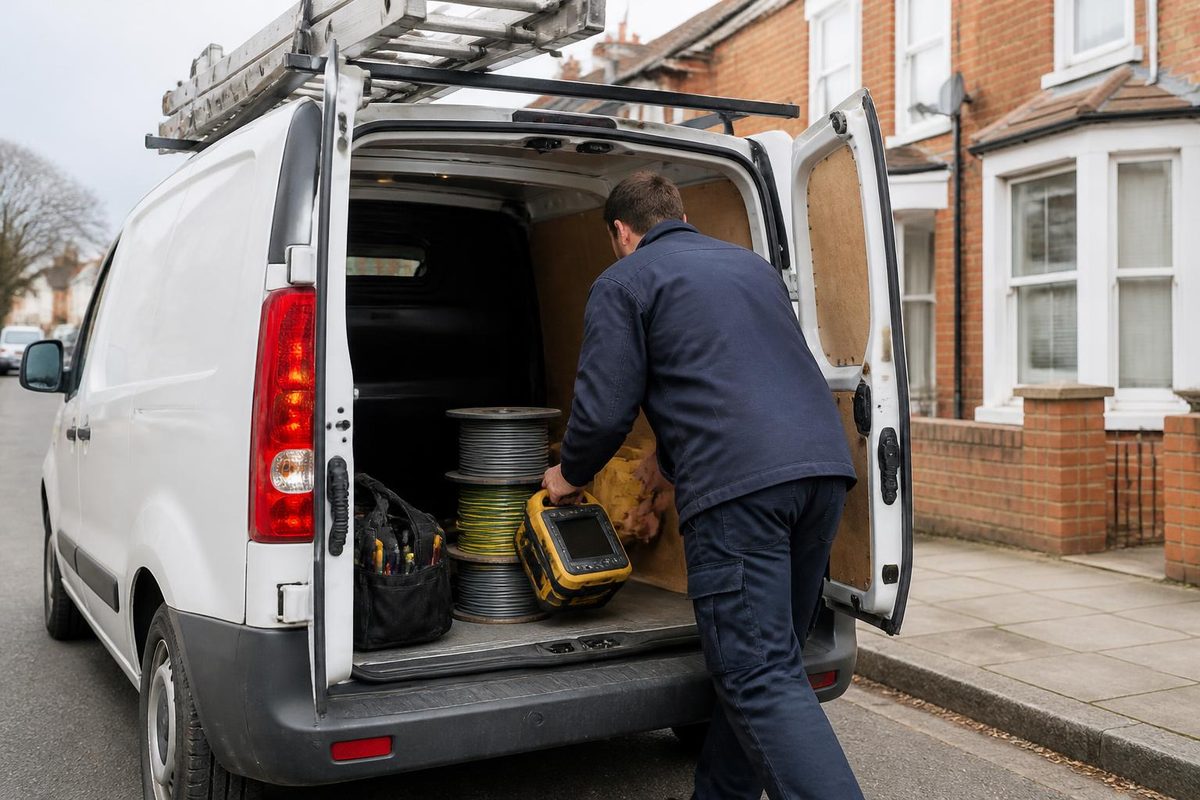
Building services
White van trades carry high-value tools and stock, so cover for what is inside the van matters as much as the van.
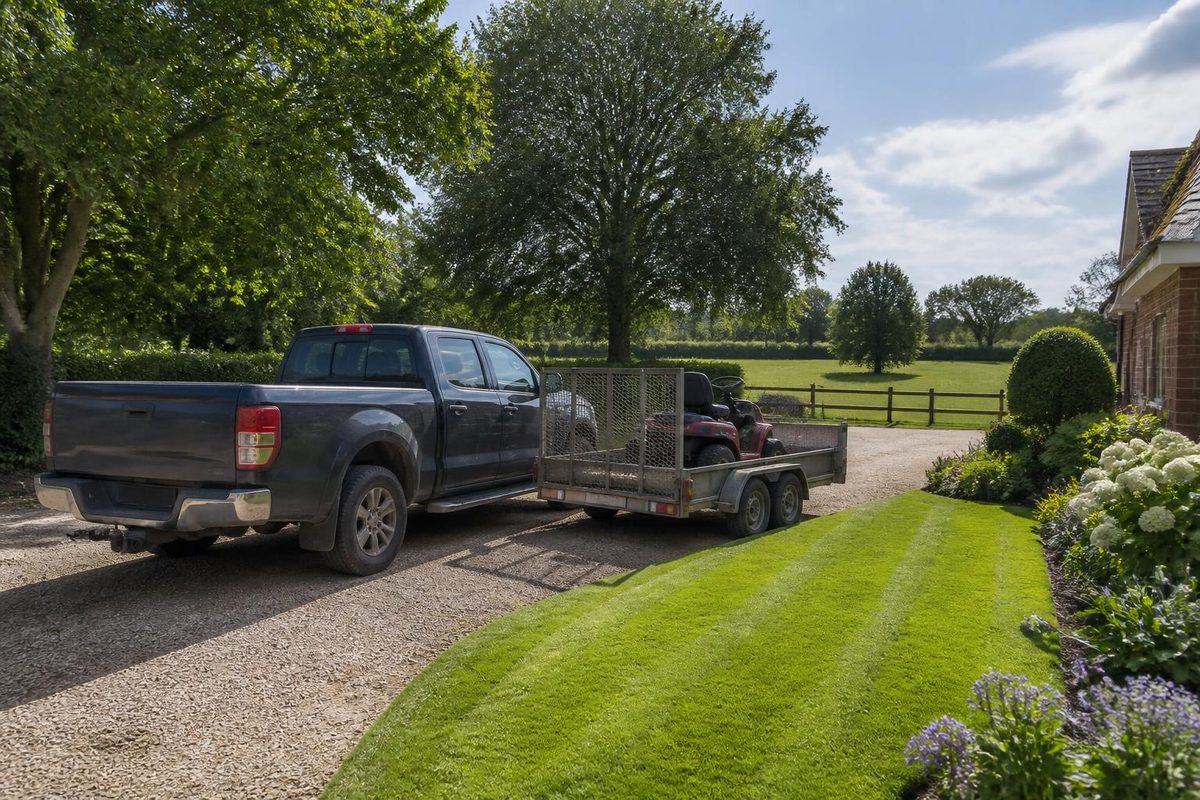
Property and landscaping
These businesses often tow trailers and mix vehicle types, which insurers want to see declared.

Transport and logistics
Carrying goods or passengers for payment needs the right class of use on every vehicle.

Cleaning and facilities
Cleaning and facilities fleets carry machines and chemicals and often work out of hours.

Retail and hospitality
From food trucks to brewery drays, the load and how it is kept are central to the quote.
Selling or repairing vehicles? Read about motor trade fleet insurance.
Fleet or separate policies
Why many businesses move to one fleet policy
Once a business runs several vehicles, separate policies can mean different renewal dates, different terms and gaps that are easy to miss. A fleet policy brings them together.
- One renewal date for every vehicle, rather than a calendar of separate renewals.
- Vehicles added or removed during the year, usually with an adjustment to the premium.
- Driver options set across the fleet, from named drivers to any driver cover.
- A claims record built by the business, which some insurers use in place of each driver's own no claims bonus.
Class of use: what each vehicle may do
- Social, domestic and pleasure, plus commuting, for staff who take a company car home.
- Business use for driving to clients, sites and appointments.
- Carriage of own goods for tools, stock and materials your business owns.
- Hire and reward for carrying other people's goods or passengers for payment.
Every vehicle on the fleet needs the right class of use for the work it does. Mixed work is worth declaring to the broker.
Beyond the fleet policy
Cover that often sits alongside fleet insurance
The fleet policy covers the vehicles on the road and the people they might hurt. These protect the goods, the staff and the business behind them.
How it works
One quote form, specialist fleet brokers
Insure Fleet is an information site, not an insurer or a broker. We link you to MyMoneyComparison.com, a comparison service that gives businesses a gateway to brokers who arrange fleet insurance every day.
Start your quote
Get my fleet quote takes you to our partner, MyMoneyComparison.com.
Describe the fleet
The form asks about your vehicles, the work they do and who drives, so you can be matched with a specialist fleet broker.
Compare and decide
A broker contacts you with options, subject to insurers' acceptance criteria. There is no obligation to buy.
Before you buy
Questions worth asking about any fleet policy
Two fleet quotes at a similar price can cover very different things. These are the points that most often catch businesses out.
- Who is allowed to drive?Named drivers, any driver, minimum ages and licence history vary between insurers.
- Does every vehicle have the right use?A van carrying goods for payment needs different use from a pool car.
- How are new vehicles added?Some policies cover new vehicles for a short period automatically; others need them declared first.
- Is there an excess per vehicle?Excesses can differ by vehicle type, driver age and the kind of claim.
- Where are vehicles kept overnight?A secure yard, staff driveways or the street can change price and acceptance.
- Is a replacement vehicle offered?Without one, an accident can mean lost work while a vehicle is off the road.
- Do telematics or dashcams matter?Some insurers take them into account, and some fleet policies require them.
- Are conversions and equipment declared?Racking, tail lifts, signwriting and modifications usually need to be disclosed.
FAQs
Fleet insurance questions
What is fleet insurance?
Fleet insurance is one motor policy that covers several business vehicles together, rather than a separate policy for each vehicle. It can include cars, vans, lorries and minibuses on one schedule with one renewal date.
How many vehicles do I need for fleet insurance?
Many insurers offer fleet insurance from two or three vehicles, depending on the insurer. Some schemes start at a higher number, so it is worth telling the broker how many vehicles you run now and whether that is likely to grow.
Can one fleet policy cover cars, vans and lorries?
Yes. A mixed fleet policy can include different vehicle types on one schedule. Each vehicle still needs the right class of use for its work, so a lorry on haulage and a pool car are rated differently on the same policy.
Can any employee drive a fleet vehicle?
Many fleet policies offer any driver cover, usually with minimum age and licence conditions. Named driver policies list each person allowed to drive. Checking these terms before new staff or subcontractors drive helps avoid a claim being refused.
Can I add or remove vehicles during the year?
Usually yes. Vehicles can be added to or taken off a fleet policy mid-term, with the premium adjusted. Some insurers ask you to declare a vehicle before it is used; others settle changes at renewal.
Can a new business get fleet insurance?
Yes, some insurers accept new businesses with no fleet claims history, usually with more questions about the drivers' own records and the work the vehicles will do.
Does fleet insurance cover the goods in my vehicles?
Not usually. The fleet policy covers the vehicles and third parties. Goods carried are covered by goods in transit insurance, which is often a separate policy or an add-on.
Does Insure Fleet sell insurance?
No. Insure Fleet is an information site and an affiliate of MyMoneyComparison.com, a comparison service that gives businesses a gateway to specialist brokers. When you start a quote you continue to MyMoneyComparison.com, and we may be paid a small commission if you are matched with and speak to a broker.
Ready to get your fleet covered?
One form, specialist fleet brokers, no obligation.