Ambulance and patient transport fleet insurance for private and non-emergency operators
Converted ambulances, stretcher vehicles and accessible cars carrying patients to and from hospital, insured on one policy with the conversions and crews declared. One short form puts you in touch with specialist brokers who arrange cover for private ambulance services across the UK.
- Converted ambulances and stretcher vans
- Medical equipment on board
- Hospital contracts and event cover
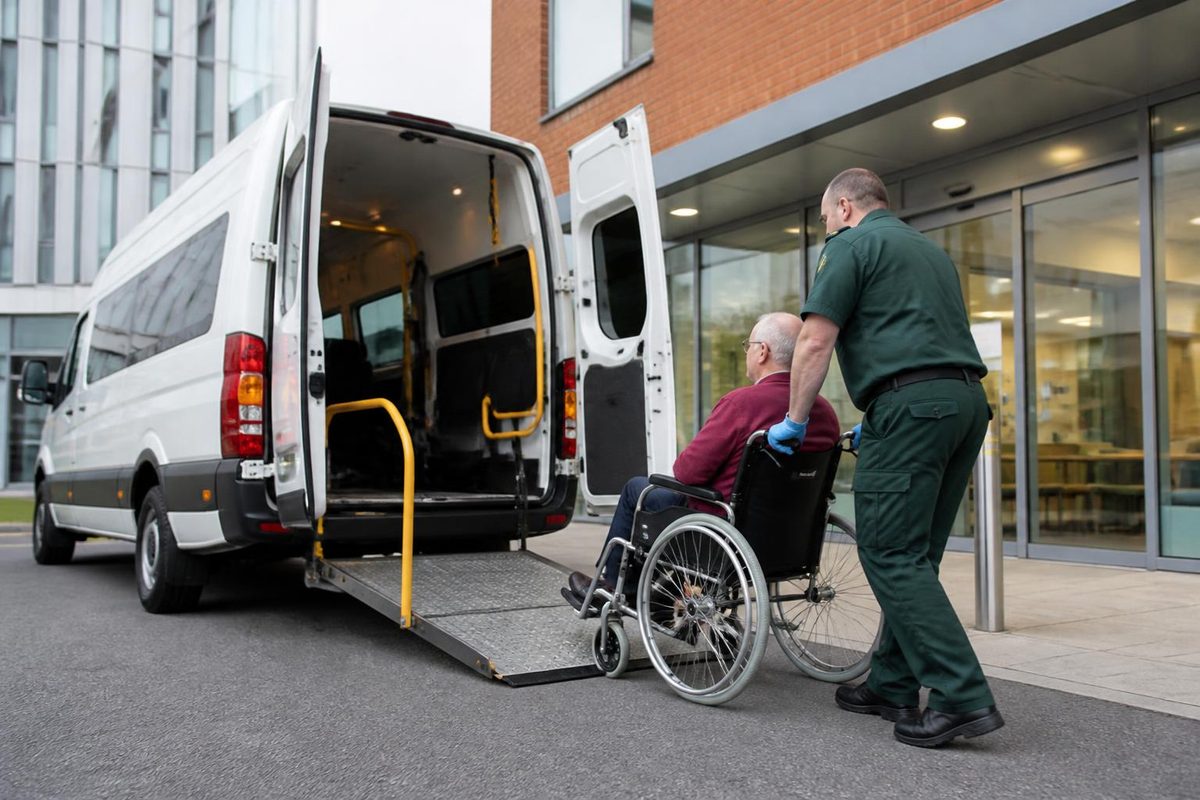
Ambulance and patient transport fleet insurance in brief
Ambulance and patient transport fleet insurance is one motor policy for the converted ambulances, wheelchair accessible vehicles and support cars a private operator uses to carry patients, mostly on non-emergency journeys. Among the types of fleet cover for trades and service firms it is one of the more specialist, because the passengers are often unwell, lying on a stretcher or seated in a wheelchair.
Most private ambulance work is planned: outpatient appointments, hospital discharges, transfers between hospitals and journeys home after treatment elsewhere in the UK. Insurers want to know the mix, as a booked transfer and a response at a crowded event carry very different risks.
The vehicles
What does a private ambulance fleet usually include?
Many ambulances are built on large van bases, so the base vehicle will be familiar from van fleet insurance. The conversion, the equipment and the patients on board are what make the risk different.
Conversions and equipment
Conversions, tail lifts and the medical kit on board
An ambulance conversion can be worth more than the van underneath it, and the kit inside adds more again. Each part needs to be on the insurer's radar.
The conversion
Coachbuilt bodies, cabinets, lighting and stretcher mounts added after the vehicle left the factory.
- Full converted value worth declaring
- Repairs may need a specialist body shop
- Repair times can be long, so ask about replacements
Ramps, tail lifts and stretchers
Loading a patient is where many injuries happen, for patients and crews alike.
- Tail lifts and ramps declared to the insurer
- Injury while loading is worth asking about
- Stretcher and chair restraints maintained
Equipment carried
Defibrillators, monitors, suction units and oxygen cylinders travel on most vehicles.
- Fixed equipment may count as part of the vehicle
- Portable kit is often insured separately
- Oxygen storage is usually asked about
Blue lights
When can a private ambulance use blue lights?
Use of blue lights and sirens depends on the operator's role and the work it is doing at the time. Many private operators run all their patient transport without them, while others carry out emergency work where lights are permitted.
- Planned non-emergency transport: Booked journeys to clinics, discharges and transfers, usually driven at normal road speeds without lights.
- Emergency work under contract: Some operators support NHS ambulance services or hospitals, and may be allowed to use lights for that work.
- Event medical cover: Ambulances on standby at sports grounds, festivals and shows, sometimes moving patients across private land.
- Emergency driver training: Crews who drive under lights are usually expected to have completed recognised emergency response driver training.
Insurers usually ask which vehicles may drive under lights, which drivers are trained for it and on whose instruction. Leaving this out at quote stage can lead to a claim being questioned.
Before the quote
What do insurers ask a private ambulance service?
Crews often swap vehicles between shifts, so insurers ask whether named drivers or any driver fleet insurance suits the rota, usually with age, licence and training conditions. These are the other details a broker will want.
- Vehicle typesBox-bodied ambulances, van conversions, accessible vehicles and cars.
- Work mixHospital contracts, private bookings, discharges, long transfers and events.
- Lights useWhether any vehicle drives under lights, and for what kind of work.
- Crew driversAges, experience, licence categories and driver training.
- Distance travelledLocal clinic runs or long transfers across the country.
- Conversion valuesThe full value of each vehicle including body and fixed equipment.
- Where vehicles are basedA secure base, hospital sites or crew members' homes.
- Claims historyRoad accidents, loading injuries and damage to equipment.
How it works
One quote form, specialist fleet brokers
Insure Fleet is an information site, not an insurer or a broker. We link you to MyMoneyComparison.com, a comparison service that gives businesses a gateway to brokers who arrange fleet insurance every day.
Start your quote
Get my fleet quote takes you to our partner, MyMoneyComparison.com.
Describe the ambulance fleet
The form asks about the vehicles, the work they do and who drives, so you can be matched with a specialist fleet broker.
Compare and decide
A broker contacts you with options, subject to insurers' acceptance criteria. There is no obligation to buy.
Before you buy
Questions for the broker about a patient transport fleet
Ambulance operators tend to find the gaps when a vehicle is off the road for weeks or a patient is hurt during loading. Raise these before the policy starts.
- Is the full conversion value covered?A policy based on the base van price may fall short.
- Are loading injuries covered?Injury on a tail lift or ramp may sit under motor or liability cover.
- Which vehicles may use lights?Lights use needs to match the operator's role and be declared.
- Is a replacement ambulance offered?A standard van is no use for a stretcher transfer.
- Is medical equipment included?Portable kit is often outside the motor policy.
- Are event sites and private land covered?Driving on showgrounds and courses is worth checking.
FAQs
Ambulance and patient transport fleet insurance questions
What is patient transport fleet insurance?
Patient transport fleet insurance is one motor policy for the ambulances and accessible vehicles a private operator uses to move patients on planned journeys. It lists each vehicle with its conversion, the work it does, whether it uses lights and who may drive it.
Is private ambulance insurance different from van insurance?
Yes. Although many ambulances start life as vans, the insurer is covering patients on stretchers, high-value conversions and fitted medical equipment. Ordinary van cover does not usually reflect that.
Does the policy cover event medical work?
It can, if event work is declared. Injury to members of the public at the event that is not caused by a vehicle is normally a matter for public liability insurance, and clinical treatment needs its own cover.
Can an operator with two or three ambulances get fleet cover?
Usually, subject to the insurer's minimum fleet size. Small fleet insurance explains how a few vehicles are usually brought onto one schedule.
How is patient transport different from home care or school transport?
A home care fleet carries care workers to clients rather than patients to hospital. Pupils with additional needs on council routes are covered on school transport fleet insurance, which deals with contracts and passenger assistants instead of clinical crews.
Are funeral private ambulances covered here?
Not usually. Vehicles used by funeral directors to move the deceased are a different risk, insured on funeral fleet insurance.
Does Insure Fleet sell insurance?
No. Insure Fleet is an information site and an affiliate of MyMoneyComparison.com, a comparison service that gives businesses a gateway to specialist brokers. When you start a quote you continue to MyMoneyComparison.com, and we may be paid a small commission if you are matched with and speak to a broker.
Ready to insure your ambulance fleet?
One form for ambulances and support vehicles, specialist brokers, no obligation.