Large fleet insurance priced on your own claims record
For bigger fleets, insurers look less at individual vehicles and more at the fleet's own claims history and how its risk is managed. Fill in one short form to be put in touch with specialist brokers who arrange large fleet cover for UK businesses.
- Rated on the fleet's claims data
- Flexible excess and deductible options
- Risk management taken into account
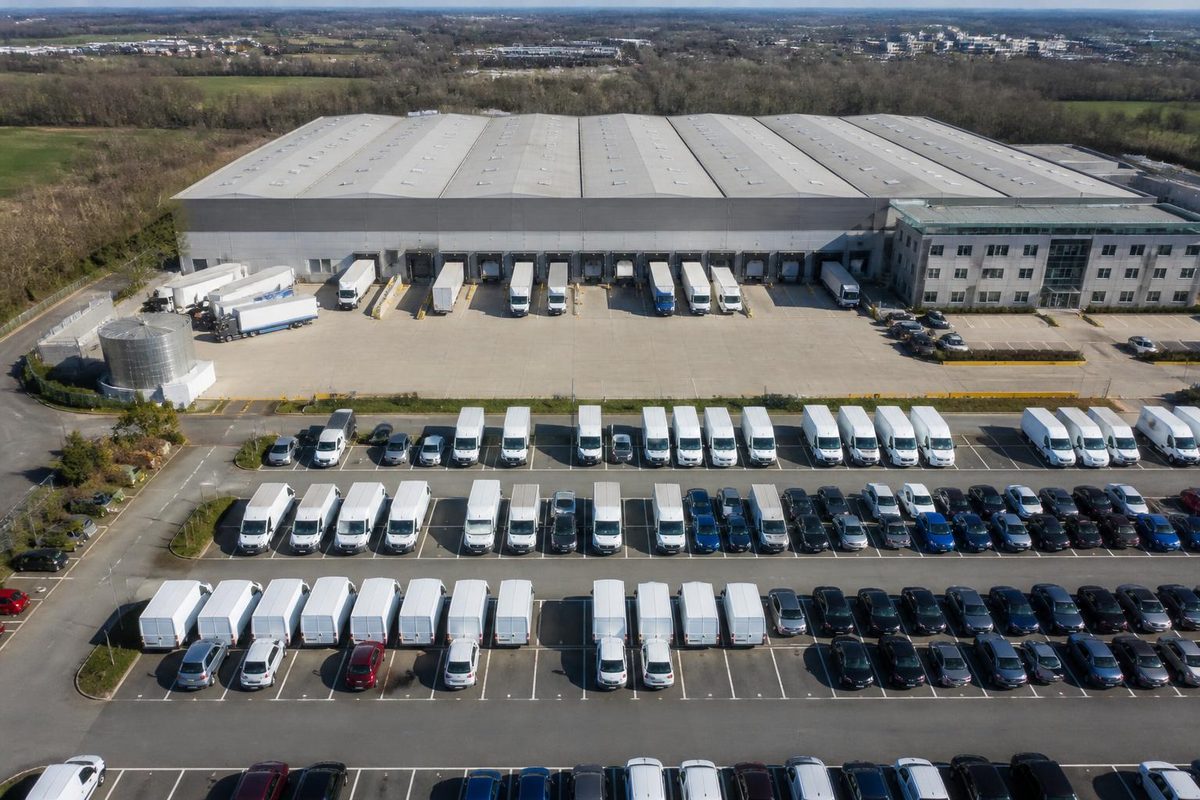
Large fleet insurance in brief
Large fleet insurance is motor cover for a business running a sizeable fleet, where the premium is shaped mainly by the fleet's own claims experience and risk management rather than by each vehicle. Where a fleet becomes large is a matter for each insurer, and the point at which experience rating starts varies.
Larger fleets often have more say in how the policy is built, including the excess, how claims are handled and what risk management is expected. Businesses running a handful of vehicles are usually better matched with small fleet insurance instead.
Claims experience
How do insurers use claims data to price a large fleet?
With enough vehicles on the road, a fleet builds a track record of its own. Insurers use that record to judge how the fleet is likely to perform next year, which is known as experience rating.
How often claims happen
The number of incidents relative to the size of the fleet.
- Many small claims can weigh heavily
- Patterns by depot or vehicle type stand out
- A falling trend is usually viewed well
How costly claims are
The size of individual claims, including injury claims.
- Large single claims are looked at closely
- Third party injury claims can take years to settle
- Open claims are often reserved at a cautious value
Why claims happen
The type of incident behind each claim.
- Reversing, rear-end and parking damage
- Theft and vandalism at sites
- Driver behaviour and fatigue
Claims data
What claims information will a broker ask for?
A clear, accurate claims record helps a broker present the fleet to insurers. Gaps or out-of-date figures can narrow the choice or lead to cautious terms.
- Claims experience from current and past insurers: A record of claims over recent years, often several years, from each insurer involved.
- Vehicle numbers over the same period: How many vehicles were on the fleet each year, so claims can be read against fleet size.
- Open and settled claims: Which claims are closed and which are still being dealt with, and their current values.
- Changes since the last renewal: New depots, new types of work, vehicles added or removed, and changes to drivers.
- Actions taken: What the business has done to reduce the incidents behind past claims.
Claims records from previous insurers are usually requested in good time before renewal, so they are ready when the broker approaches the market.
Risk management
Which fleet risk management steps do insurers look for?
Insurers look for evidence that the business manages its risk, not just promises. For a large fleet, that often runs from driver checks to telematics and incident reviews. Where many staff drive, the employer side of this is covered on our page about company fleet insurance.
Driver checks and training
Knowing who drives and keeping their skills up to date.
- Licence checks at joining and regularly after
- Training for drivers with repeated incidents
- Clear rules on phones, hours and fatigue
Telematics and cameras
Data on how, when and where vehicles are driven.
- Speeding, harsh braking and cornering alerts
- Forward and driver-facing dashcams
- Footage to support or defend claims
Incident reporting and review
What happens after something goes wrong.
- Early reporting to the insurer
- Reviewing causes of repeat incidents
- A named person responsible for fleet risk
Excess and deductibles
How can excess and deductible structures change a large fleet policy?
Larger fleets can often choose how much risk to keep themselves. Taking on more of the smaller claims usually reduces the premium, but means the business pays more when incidents happen.
| Point to compare | Standard excess | Higher deductible |
|---|---|---|
| Who pays small claims | The insurer, after the excess | The business, up to an agreed amount |
| Effect on premium | Usually higher | Usually lower, with more risk kept by the business |
| Suits | Fleets wanting steady, predictable costs | Fleets with good cash flow and a steady claims record |
| Claims handling | The insurer handles most claims | Smaller claims may be handled by the business or a third party |
Structures vary between insurers, and some policies combine a deductible for own damage with a lower excess for other claims.
Pricing
What affects the price of large fleet insurance?
Insurers look at the fleet as a business, not a list of vehicles. These are the points most likely to come up when a broker prepares a submission.
- Claims experienceThe fleet's own record, read against its size over the same years.
- Make-up of the fleetThe balance of cars, vans, lorries and specialist vehicles.
- Type of workOwn goods, haulage, passenger or service work, and the areas covered.
- DriversHow drivers are recruited, checked and trained, and turnover of staff.
- Risk managementTelematics, cameras, incident reviews and driver policies in place.
- Excess or deductible chosenHow much of each claim the business agrees to pay itself.
- Depots and securityWhere vehicles are kept, and the security at each site.
- Claims handlingHow quickly incidents are reported, and whether third parties are contacted early.
How it works
One quote form, specialist fleet brokers
Insure Fleet is an information site, not an insurer or a broker. We link you to MyMoneyComparison.com, a comparison service that gives businesses a gateway to brokers who arrange fleet insurance every day.
Start your quote
Get my fleet quote takes you to our partner, MyMoneyComparison.com.
Describe the large fleet
The form asks about the vehicles, the work they do and who drives, so you can be matched with a specialist fleet broker.
Compare and decide
A broker contacts you with options, subject to insurers' acceptance criteria. There is no obligation to buy.
Before you buy
Questions worth asking about any large fleet policy
At this size, small differences in policy structure can make a big difference over a year. These points are worth raising with the broker.
- How is the premium adjusted mid-term?Some policies charge per vehicle; others adjust at the end of the year.
- What excess applies to each vehicle type?Cars, vans and lorries may each carry a different excess.
- Who handles third party claims?Early contact with third parties can keep claims costs down.
- Is telematics data shared with the insurer?Some insurers use it; it is worth knowing how and when.
- What claims reports are provided?Regular reports help spot trends before renewal.
- Are risk management visits included?Some insurers offer surveys or advice on driver risk.
- How are new depots or vehicle types added?A new type of work may need the insurer's agreement first.
- What happens to open claims at renewal?How they are valued can affect next year's terms.
FAQs
Large fleet insurance questions
What is large fleet insurance?
Large fleet insurance is motor cover for a business with a sizeable fleet, where the price is shaped mainly by the fleet's own claims experience and risk management. It is usually arranged on one policy, with terms built around how the fleet actually performs.
How many vehicles count as a large fleet?
There is no single answer. Each insurer sets its own point at which a fleet is rated on its claims experience rather than on individual vehicles, so it helps to give the broker the full fleet size and how it is changing.
What is experience rating?
Experience rating means the insurer prices the fleet mainly on its own past claims, read against the number of vehicles over the same period. A fleet with a steady or improving record is usually viewed more favourably.
Does telematics lower the cost of large fleet insurance?
It can help, depending on the insurer and how the data is used. Telematics on its own is not usually enough; insurers tend to look for evidence that the business acts on what the data shows.
What is the difference between an excess and a deductible?
Both are the part of a claim the business pays itself. On large fleets, a deductible often refers to a larger amount the business agrees to carry, sometimes across all claims in a year, in return for a lower premium.
Can a large fleet include lorries as well as cars and vans?
Yes. Many large fleets run several vehicle types on one policy, each with its own use and excess. Heavier goods vehicles bring their own questions, which are set out on our page on HGV fleet insurance.
Can a large fleet allow any employee to drive?
Often, subject to the insurer's age, licence and conviction conditions. Many large fleets use open driving terms with a higher excess for younger drivers. There is more detail on any driver fleet insurance.
Does Insure Fleet sell insurance?
No. Insure Fleet is an information site and an affiliate of MyMoneyComparison.com, a comparison service that gives businesses a gateway to specialist brokers. When you start a quote you continue to MyMoneyComparison.com, and we may be paid a small commission if you are matched with and speak to a broker.
Ready to get your large fleet covered?
One form, specialist fleet brokers, no obligation.