New business fleet insurance for start-ups with no claims history yet
Cover for a newly formed business putting its first vehicles on the road, before it has any fleet record of its own. Fill in one short form to be put in touch with specialist brokers who arrange fleet cover for start-ups across the UK.
- No fleet history needed by some insurers
- Priced on drivers' own records
- Building a claims record from year one
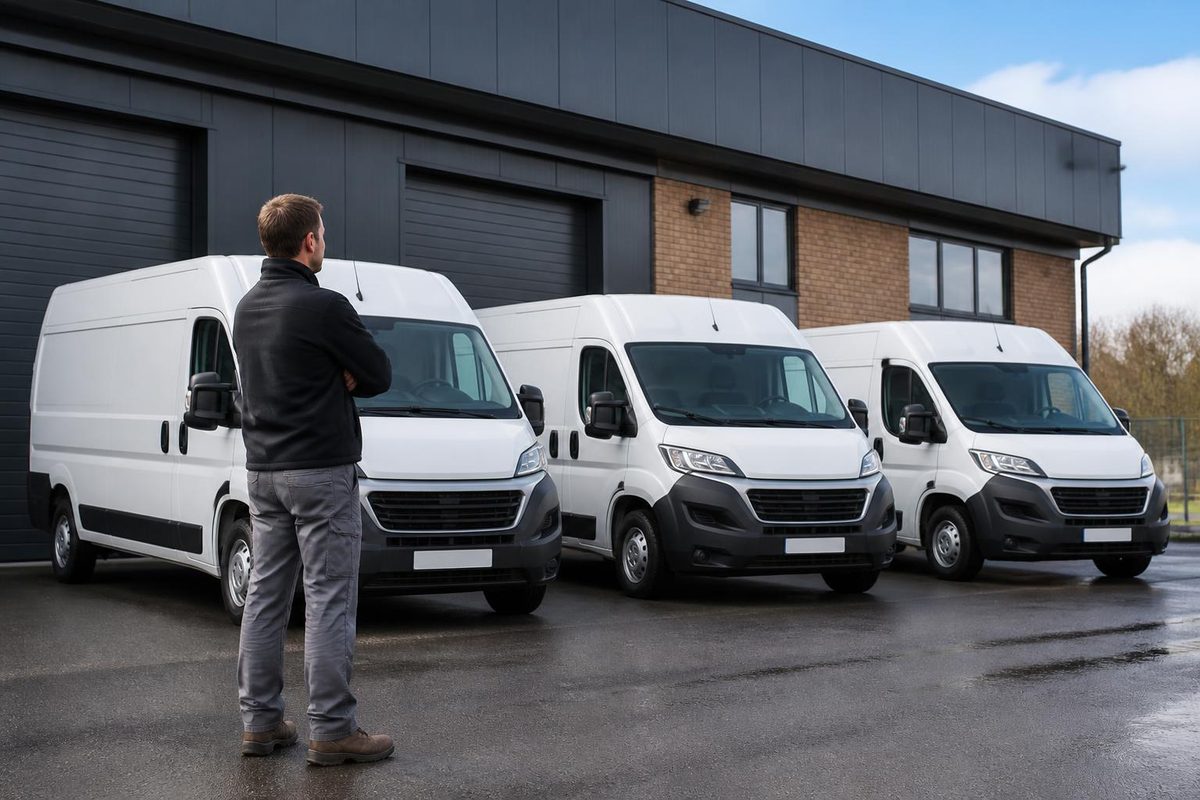
New business fleet insurance in brief
New business fleet insurance is a fleet policy for a company that has only just started trading, or has not run vehicles before, and so has no fleet claims history to show an insurer. Instead of the business's record, insurers look at the directors' experience, the drivers' licences and claims, and the type of work planned.
Not every insurer will quote a brand new business, so the choice can be narrower in the first year. Once the policy has run for a year or two, the business has a record of its own, and many firms first move up from small fleet insurance for a few vehicles as they grow.
Who it is for
Which start-ups need fleet cover with no claims history?
Any business putting several vehicles on the road without a fleet record behind it. Start-ups carrying parcels for payment may also find useful pointers on courier fleet insurance for delivery firms.
No history yet
How insurers rate a business with no fleet record
An established fleet is priced largely on its past claims. A new business has none, so insurers build a picture from other sources instead.
The directors and owners
Insurers often ask how long the people running the business have worked in the trade and whether they have run vehicles before.
- Previous fleet experience in another firm can help
- Past business insolvencies are usually asked about
- Some insurers want a trading address and company details
Each driver's own record
Without a fleet record, each driver's licence, convictions and claims carry a lot of weight in the price.
- Personal no claims bonuses may be taken into account
- Recent claims on private policies are usually asked about
- Licence checks before the policy starts are worth doing
The work the business will do
Insurers look at what the vehicles will carry, where they will go and how many miles they are likely to cover.
- Own goods or carrying goods for payment
- Local work or long distances
- Where vehicles will be kept overnight
Driver records
The driver details a start-up fleet quote depends on
Because the drivers are the main evidence an insurer has, it helps to collect their details before asking for a quote. Drivers with points or past convictions are not always a bar, and fleet insurance for convicted drivers covers how insurers treat them.
- Licence detailsFull licence held, how long it has been held, and any categories for larger vehicles.
- Convictions and pointsAny motoring convictions, including those that are still showing on the licence.
- Claims historyClaims on personal or previous employers' policies, whether at fault or not.
- AgesYounger or newly qualified drivers often face tighter terms on a start-up fleet.
- Driving experiencePrevious work as a van, car or lorry driver for another business.
- Medical conditionsConditions that need to be reported to the licensing agency usually need disclosing to the insurer too.
Year one and beyond
Building a fleet claims record from your first policy
The first policy is where a new business starts its own history. Each claims-free year gives the next insurer something concrete to look at.
| What differs | First year as a new business | Once a claims record exists |
|---|---|---|
| Main thing the price is based on | Drivers' records and the planned work | The fleet's own claims record |
| Choice of insurers | Can be narrower, depending on the trade | Usually wider |
| Driver options | Often named drivers to begin with | Named, any driver or open driving |
| Excess | Sometimes higher until a record builds up | Can often be set to suit the business |
| Evidence asked for | Licences, personal no claims proof, business plans | Claims experience from current and past insurers |
These are general patterns and vary between insurers. Some trades find the choice of insurers wider than others from the start.
Good habits
What helps a new fleet look stronger at renewal
Insurers at renewal will look at what happened in the first year. These habits help a new business show it runs its vehicles carefully.
- Keep claims experience lettersAsk the insurer for a summary of claims at each renewal and keep it safe.
- Report incidents promptlyLate reporting can make a claim cost more, which then shows on the record.
- Check licences regularlyMany fleets check driver licences at the start and at set points through the year.
- Write down a driver policySimple rules on phones, tiredness and vehicle checks show insurers the fleet is managed.
- Consider dashcams or trackersSome insurers take them into account, and footage can help settle disputed claims.
- Keep vehicles maintainedService records and daily checks support the business if a defect is ever blamed.
How it works
One quote form, specialist fleet brokers
Insure Fleet is an information site, not an insurer or a broker. We link you to MyMoneyComparison.com, a comparison service that gives businesses a gateway to brokers who arrange fleet insurance every day.
Start your quote
Get my fleet quote takes you to our partner, MyMoneyComparison.com.
Describe the new business fleet
The form asks about the vehicles, the work they do and who drives, so you can be matched with a specialist fleet broker.
Compare and decide
A broker contacts you with options, subject to insurers' acceptance criteria. There is no obligation to buy.
Before you buy
Questions worth asking about a start-up fleet policy
Start-up fleet quotes can differ a lot in what they allow. These are the points new businesses most often need to clarify.
- Does this insurer quote brand new businesses?Some only quote firms with a trading history.
- Will personal no claims bonuses count?Ask how each driver's bonus is used, if at all.
- Can drivers be added later?New staff may need to be named before they drive.
- Is there a minimum driver age?Many start-up fleets have stricter age limits.
- What evidence will be needed?Licences, no claims proof and company details are common.
- Is the excess higher in the first year?Some insurers set a higher excess until a record exists.
- How will the claims record be shown later?Claims experience letters help at the next renewal.
- Are leased vehicles covered as the lease requires?Lease agreements often set the level of cover.
FAQs
New business fleet insurance questions
What is new business fleet insurance?
New business fleet insurance is a fleet policy for a company that has only just started trading or has not run vehicles before, so it has no fleet claims history. Insurers price it mainly on the drivers' records, the owners' experience and the work the vehicles will do.
Can a brand new company get fleet insurance?
Yes, though not every insurer will quote a business with no trading history. Some specialist insurers do, subject to their acceptance criteria, and a broker can explain which ones are likely to consider your trade.
Does my personal no claims bonus help a new fleet?
It can. Some insurers take proof of the directors' or drivers' personal no claims bonuses into account on a first fleet policy. Others give it less weight, so it is worth asking how each insurer treats it.
Why is start-up fleet insurance sometimes harder to place?
Without a claims record, insurers have less evidence about how the fleet will be run. The drivers' records and the type of work carry more weight, and some trades are seen as higher risk until a record exists.
How long does it take to build a fleet claims record?
Each year on a fleet policy adds to the record. Many insurers look at the last few years of claims experience, so the picture becomes clearer after the first year or two of trading.
Can new drivers be added during the first year?
Usually, yes. Many start-up policies begin with named drivers, and new staff are added once the insurer has their details. Wider driving terms, such as any driver fleet insurance, are often easier to arrange once the business has been trading for a while.
Do I need goods in transit or liability cover as well?
Possibly. Businesses carrying goods for customers often add goods in transit cover, and most businesses with staff need employers' liability cover. You can read more about employers' liability insurance on MyMoneyComparison.com.
Does Insure Fleet sell insurance?
No. Insure Fleet is an information site and an affiliate of MyMoneyComparison.com, a comparison service that gives businesses a gateway to specialist brokers. When you start a quote you continue to MyMoneyComparison.com, and we may be paid a small commission if you are matched with and speak to a broker.
Ready to insure your first fleet?
One form, specialist fleet brokers, no obligation.