Electric fleet insurance for EV cars and electric vans
Cover for a business moving its cars and vans to electric, with the battery, the charging kit and the longer repair times looked at properly. Fill in one short form to be put in touch with specialist brokers who arrange EV fleet insurance for UK businesses.
- Battery and charging cable cover
- Home and depot charge points
- Electric vans up to 4.25 tonnes
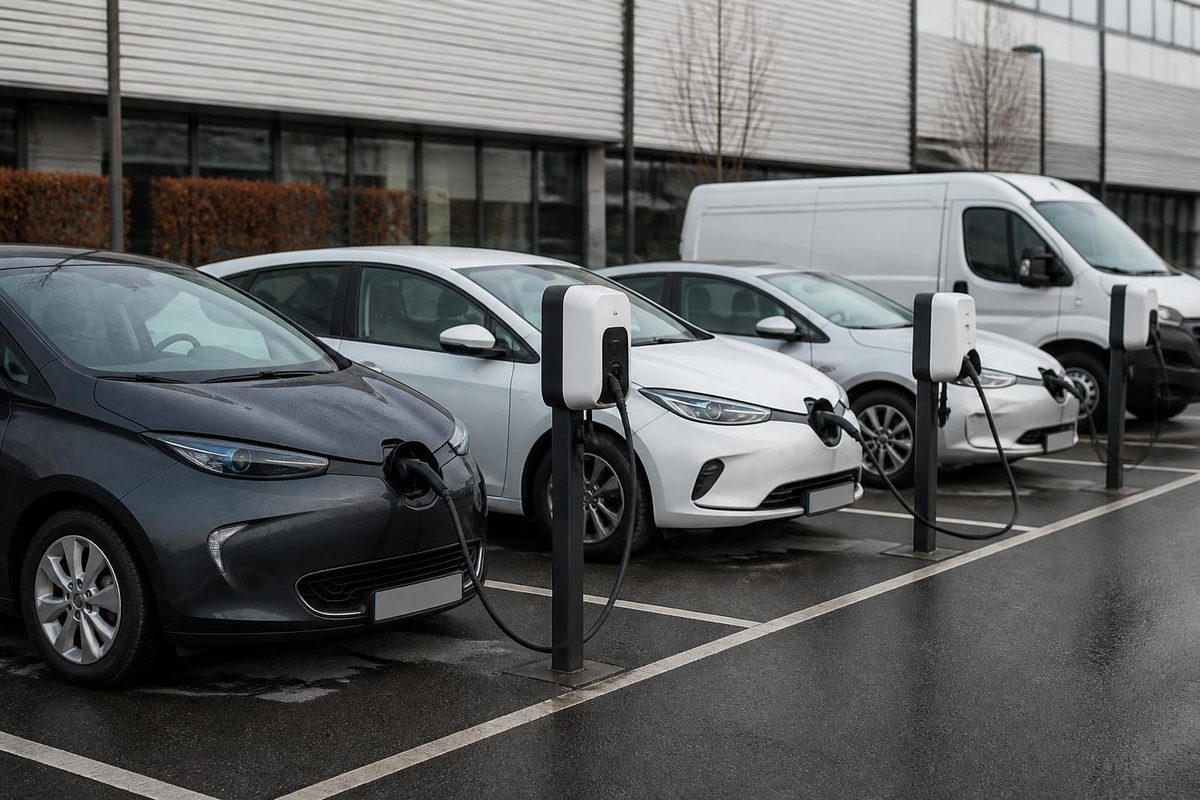
Electric fleet insurance in brief
Electric fleet insurance is a motor fleet policy for a business running battery electric or plug-in hybrid cars and vans, covering the vehicles, the drivers and the parts that only an EV has, such as the traction battery and charging equipment. It works like any other fleet policy, and electric vehicles can sit on the same schedule as petrol and diesel ones, whether that is a few company and pool cars or a yard of delivery vans.
What changes is the detail. Insurers ask who owns the battery, where the vehicles charge, which garages can repair them and how long a damaged EV may be off the road.
Who it is for
Which fleets need EV fleet insurance?
Any business with electric or plug-in hybrid vehicles on the road needs them insured, and most fleets go electric in stages rather than all at once.
The battery
Is the battery covered on an electric fleet policy?
The traction battery is usually the most valuable single part of an electric vehicle. How it is insured depends on who owns it and what kind of damage happens.
Battery bought with the vehicle
Where the business owns the vehicle outright or on finance, the battery is normally treated as part of the vehicle.
- Covered for accidental damage on comprehensive cover
- Damage underneath from kerbs or debris is worth asking about
- Some insurers write off a vehicle rather than replace a damaged battery
Battery leased separately
A few manufacturers have leased the battery separately from the car or van, which leaves two owners to think about.
- The battery lessor may have its own insurance terms
- Worth telling the broker at the quote stage
- Who is paid if the vehicle is a total loss is worth checking
Faults and gradual wear
Loss of range over time and electrical faults are not accidents, so a motor policy does not usually pay for them.
- Manufacturer warranties often cover battery faults
- Breakdown cover is separate from the motor policy
- Fire after a fault is worth asking about specifically
Charging
Charging cables, home chargers and depot charge points
Charging is where an electric fleet policy most often has gaps, because the kit sits half in the vehicle and half on someone's property.
- Charging cables in the vehicle: Cables are expensive and easy to steal from a boot or load area. Some policies cover them as part of the vehicle, others set a limit or leave them out.
- Wallboxes at staff homes: A charge point fitted at a driver's house belongs to someone, and it is rarely the motor insurer's problem. Ownership decides whether the business or the employee insures it.
- Depot and office chargers: Fixed charge points at a business site are usually insured under a property or business policy, not the fleet policy.
- Cables across pavements: A cable trailing from a house to a vehicle on the street can trip a passer by. Liability for that is worth raising with the broker.
Staff charging their own electric car for business trips are a separate matter, covered on grey fleet insurance for employees using their own cars.
Repairs and downtime
Why repair times matter more for electric vehicles
Fewer garages are set up to work on high voltage systems and parts can take longer to arrive, so a minor bump can keep an EV off the road for longer than a diesel equivalent.
Approved EV repair network
Many insurers send electric vehicles to repairers with trained staff and the right equipment.
- Worth asking how near the nearest approved repairer is
- Manufacturer approved repairs may be required by a lease
- Recovery to a distant repairer can add days
Courtesy and hire vehicles
A courtesy vehicle may be a petrol or diesel model, or smaller than the EV it replaces.
- Whether an electric replacement is offered varies
- How long a hire vehicle is provided for is worth checking
- Van fleets may need a like for like load space
Heavier electric vans
Can staff with a car licence drive a 4.25 tonne electric van?
Batteries add weight, so an electric van can be heavier than the diesel version of the same model while carrying the same load.
Drivers with a standard car licence can usually drive certain electric and other alternatively fuelled vans up to 4.25 tonnes, rather than the usual 3.5 tonne limit, as long as the van is used to carry goods and conditions are met. Towing a trailer with one of these vans on a car licence is generally not allowed.
For insurance, the points worth checking are how the insurer classes a van in this weight band, whether every driver meets the licence conditions, and whether the van is treated as a light van or a goods vehicle when the fleet is priced.
Electric trucks above that weight are a different risk again and are usually placed with insurers who write HGV and lorry fleet insurance.
Pricing
What affects the price of an electric van fleet or EV car fleet?
The questions an insurer asks about an electric fleet overlap with any fleet quote, but a few carry more weight once the vehicles are electric.
- Vehicle valueElectric cars and vans often cost more to buy, so the sum insured is higher.
- Repair costs and partsSpecialist labour, sensors and battery checks after even small accidents.
- Where vehicles charge overnightA secure depot, a staff driveway or a street charger.
- Who drivesDrivers new to EVs may be unused to quick acceleration and quiet running.
- Mileage and routesShort urban rounds or longer runs relying on public charging.
- Charging kit to be coveredCables, adaptors and any equipment added to the vehicle schedule.
How it works
One quote form, specialist fleet brokers
Insure Fleet is an information site, not an insurer or a broker. We link you to MyMoneyComparison.com, a comparison service that gives businesses a gateway to brokers who arrange fleet insurance every day.
Start your quote
Get my fleet quote takes you to our partner, MyMoneyComparison.com.
Describe the electric fleet
The form asks about the vehicles, the work they do and who drives, so you can be matched with a specialist fleet broker.
Compare and decide
A broker contacts you with options, subject to insurers' acceptance criteria. There is no obligation to buy.
Before you buy
Questions worth asking about an electric fleet policy
Electric fleet quotes can look alike until a battery is damaged or a cable goes missing. These are the questions that bring the differences out.
- Is the battery covered if it is leased?Separate battery ownership can change who is paid in a claim.
- Are charging cables included?Some policies cover them, some cap them, some leave them out.
- Who covers home charge points?A wallbox at a driver's house is usually outside the motor policy.
- What happens if the battery is damaged?Some insurers repair, some replace, some write the vehicle off.
- Is the courtesy vehicle electric?A smaller petrol car may not suit a driver used to an EV.
- Where will the vehicles be repaired?The distance to an approved EV repairer affects downtime.
- Are heavier electric vans classed correctly?How the insurer treats vans in the higher weight band is worth confirming.
- Is fire after charging covered?Fire is usually included, but it is worth asking how charging fires are handled.
FAQs
Electric fleet insurance questions
What is electric fleet insurance?
Electric fleet insurance is a motor fleet policy for a business running electric or plug-in hybrid vehicles. It covers the vehicles and drivers like any fleet policy, with attention to the parts that only EVs have, such as the battery and charging equipment.
Can electric and diesel vehicles go on the same fleet policy?
Yes. Most insurers put electric, hybrid, petrol and diesel vehicles on one schedule. Businesses running vans alongside cars or lorries can use mixed fleet insurance for different vehicle types and add EVs as they arrive.
Is EV fleet insurance more expensive?
It can be, because electric vehicles often cost more to buy and repair, and repairs can take longer. The drivers, security, claims record and where the vehicles charge all count too.
Does the fleet policy cover a home charger at an employee's house?
Usually not. A wallbox fixed to a home is normally treated as part of that property, so it falls under the home or business property insurance of whoever owns it. Cables carried in the vehicle are a separate question for the motor insurer.
Are electric vans used for deliveries covered?
Yes, as long as each van has the right class of use. Carrying your own goods is different from delivering other people's parcels for payment, which needs hire and reward use. Firms doing that work can look at delivery fleet insurance for courier work.
What happens if an electric vehicle's battery is damaged in an accident?
On comprehensive cover the insurer usually decides whether the battery can be repaired, replaced or whether the vehicle is a total loss. Serious battery damage is sometimes treated as a write off.
Are plug-in hybrids insured as electric vehicles?
They are usually insured on the same fleet policy and many of the same questions apply, such as charging cables and repairs to the electrical system.
Does Insure Fleet sell insurance?
No. Insure Fleet is an information site and an affiliate of MyMoneyComparison.com, a comparison service that gives businesses a gateway to specialist brokers. When you start a quote you continue to MyMoneyComparison.com, and we may be paid a small commission if you are matched with and speak to a broker.
Related fleet cover
Ready to get your electric fleet covered?
One form, specialist fleet brokers, no obligation.