HGV fleet insurance for hauliers and own-account lorry operators
Rigid lorries, tractor units and trailers on one schedule, with each vehicle insured for the loads it moves and the work it does. Fill in one short form to be put in touch with specialist brokers who arrange lorry fleet cover for UK operators.
- Rigids, artics and trailers
- Own goods or haulage use
- Cover for loads and downtime
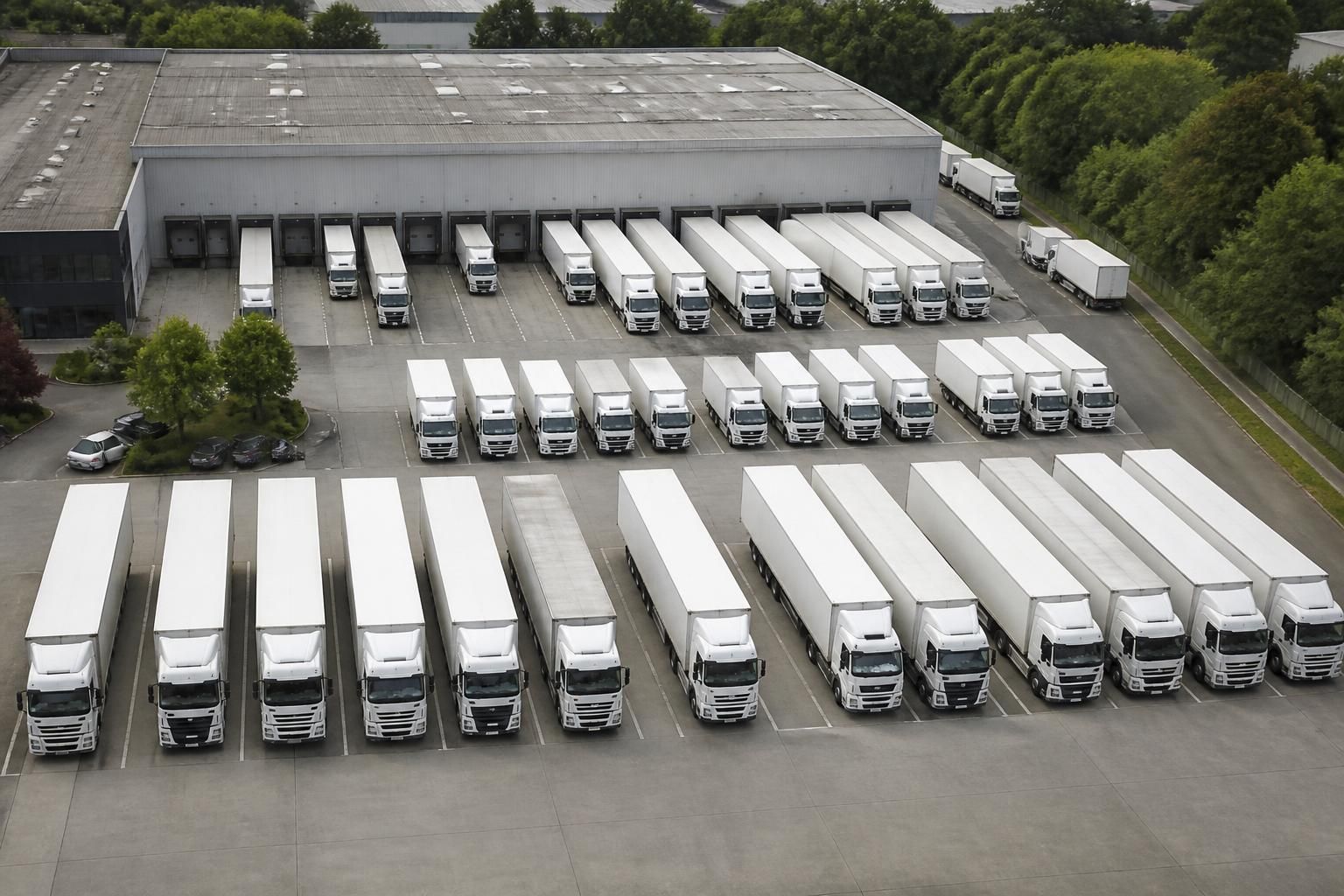
HGV fleet insurance in brief
HGV fleet insurance is one motor policy that covers a business's goods vehicles over 3.5 tonnes, such as rigid lorries, tractor units and trailers, instead of a separate policy for each lorry. It is used by haulage firms moving freight for customers and by businesses that run their own lorries to move their own stock. Firms that also run cars or vans alongside their lorries can often put everything on mixed fleet insurance instead.
The schedule lists every unit and trailer, the class of use for each and who may drive. The loads themselves are usually insured separately.
Who it is for
Which operators use lorry fleet insurance?
A lorry fleet can be a few rigids at one yard or a haulage fleet spread across several operating centres. For a single lorry, or for detail on particular body types, the sister site hgv.insure covers individual HGV insurance.
Own goods vs haulage
Own goods or haulage: what is each lorry insured to do?
The class of use on the schedule has to match the work. A lorry insured for its owner's goods is not usually insured to take on a paid haulage job for someone else.
- Carriage of own goods: Moving the business's own stock, materials or equipment. Usual for builders' merchants, manufacturers and retailers.
- Haulage for hire and reward: Carrying other businesses' goods for payment. This is the standard use for general hauliers and is rated differently.
- Tipper and bulk work: Loose loads such as aggregates, soil and waste, where tipping and site work bring their own risks.
- Specialist and abnormal loads: Heavy plant, wide loads and moves that need escorts or notice, usually agreed with the insurer first.
Smaller goods vehicles the size of a panel van are usually insured on van fleet insurance.
Rigids, artics and trailers
How do insurers treat different lorries on one haulage fleet?
Each lorry on a haulage fleet is rated on its own size, body and work, even though they share one policy.
| Vehicle | Typical weight | What insurers usually ask |
|---|---|---|
| Light rigids | Over 3.5 tonnes up to 7.5 tonnes | Driver licence category and age, and whether the work is own goods or haulage. |
| Heavy rigids | Over 7.5 tonnes | Body type, such as box, curtainsider, tipper or fridge, and what is carried. |
| Tractor units | Artics up to 44 tonnes | Driver experience on artics, mileage and the type of trailers pulled. |
| Trailers | Owned, hired or swapped | Whether trailers are on the schedule and how trailer interchange is handled. |
Plated weights, body types and fitted equipment are worth having to hand before a quote.
Operator licence
How does the operator licence link to the fleet policy?
Most businesses running lorries need a goods vehicle operator licence, which names the operating centres and the vehicles and trailers authorised. Insurers usually ask for the licence details and expect the policy to line up with it.
Restricted or standard
A restricted licence covers own goods only. A standard licence allows haulage for other businesses. The class of use on the policy usually follows the same split.
Operating centres
Where lorries park overnight matters to insurers. Secure, lit and fenced yards are viewed differently from lay-bys, industrial estates or drivers' homes.
Maintenance and driver records
Some insurers ask about inspection intervals, walkaround checks and how driving hours and licences are monitored.
Loads and downtime
What the lorry policy leaves out: loads, trailers and time off the road
A lorry fleet policy covers the vehicles and the people and property they might damage. The freight, borrowed trailers and lost earnings while a unit is off the road usually need cover of their own.
Goods in transit
Cover for loads lost, stolen or damaged while being moved, often set to match customer contracts.
- Limits are usually set per load or per vehicle
- High-value and theft-prone loads may have conditions
- Goods in transit cover
Trailer interchange
Cover for trailers owned by someone else while they are coupled to your units or parked in your yard.
- Common on pallet networks and subcontracted work
- Worth checking who covers a swapped trailer
- Hired trailers may need adding to the schedule
Loss of use and recovery
Help when a unit breaks down or is damaged, so loads still reach customers.
- Heavy recovery for laden and unladen lorries
- A hire vehicle while a lorry is repaired
- Some policies add cover for lost income
Liability cover
Lorry fleets usually also carry cover for staff and the public on yards and customer sites.
- Loading and unloading on customer premises
- Injury to staff at work
- Employers liability cover
Pricing
What do insurers weigh up when pricing a lorry fleet?
Price rests on each vehicle's size and type, the work it does and how the operator runs the fleet.
- Gross weight and body typeLight rigids, heavy rigids and artics are rated differently, as are tippers, tankers and fridges.
- What is carriedOwn goods, general haulage, hazardous loads or high-value freight.
- Driver experienceYears holding category C or C+E, age, convictions and past claims.
- Where lorries are keptA secure operating centre, an open yard or drivers' homes.
- Mileage and routesLocal multi-drop, trunking between depots or long overnight runs.
- The operator's recordClaims history and any concerns raised about maintenance or compliance.
- Risk managementCameras, telematics, driver training and accident reporting procedures.
How it works
One quote form, specialist fleet brokers
Insure Fleet is an information site, not an insurer or a broker. We link you to MyMoneyComparison.com, a comparison service that gives businesses a gateway to brokers who arrange fleet insurance every day.
Start your quote
Get my fleet quote takes you to our partner, MyMoneyComparison.com.
Describe the lorry fleet
The form asks about the vehicles, the work they do and who drives, so you can be matched with a specialist fleet broker.
Compare and decide
A broker contacts you with options, subject to insurers' acceptance criteria. There is no obligation to buy.
Before you buy
Questions worth putting to a broker about an HGV fleet
Lorry fleet quotes can differ a lot once trailers, loads and downtime are taken into account.
- Is each unit on the right class of use?Own goods and haulage are separate, and tipper work may be rated on its own.
- How are trailers covered?Owned, hired and interchanged trailers can each be treated differently.
- Is goods in transit included or separate?Many lorry policies leave the load to a separate goods in transit policy.
- What happens if a laden lorry breaks down?Heavy recovery and moving the load on are worth asking about.
- Are agency and new drivers covered?Some policies set minimum experience on category C or C+E.
- Is there cover for loading on customer sites?Damage while loading or unloading can fall between policies.
- Are fitted cranes and tail lifts declared?Lifting equipment usually needs to be listed and may need its own cover.
- Does the policy follow the operator licence?Vehicles and operating centres usually need to match the licence.
FAQs
HGV fleet insurance questions
What is HGV fleet insurance?
HGV fleet insurance is one motor policy that covers a business's goods vehicles over 3.5 tonnes, such as rigid lorries, tractor units and trailers. Each vehicle is listed on one schedule with its own class of use, usually with one renewal date for the whole fleet.
What is the difference between own goods and haulage cover?
Own goods cover is for lorries moving the business's own stock or materials. Haulage, or hire and reward, is for carrying other businesses' goods for payment. Insurers rate the two differently, so a lorry that switches to paid work for others usually needs its use changed first.
Are trailers covered on an HGV fleet policy?
Trailers the business owns can usually be listed on the schedule. Trailers belonging to other firms, such as those swapped on a pallet network, are often covered through trailer interchange, which is worth asking about if trailers change hands regularly.
Does HGV fleet insurance cover the goods being carried?
Usually not. The lorry policy covers the vehicles and third parties. Loads are normally covered by a separate goods in transit policy, with limits set to suit the type of freight and any customer contracts.
Can drivers with points on their licence drive the lorries?
Often, depending on the insurer and the offences. Convictions need to be disclosed, and some insurers set conditions or a higher excess for those drivers. More detail is on the page about fleet insurance for convicted drivers.
Can vans and lorries go on the same policy?
Yes. Many insurers will put vans and lorries on one schedule, each rated for its own weight and use. Vans doing parcel work for others still need hire and reward use, as covered on courier fleet insurance.
How do larger haulage fleets get priced?
Bigger fleets are often priced partly on their own claims experience, so accident reporting, driver training and telematics can all play a part. The page on large fleet insurance explains how claims data and risk management are used.
Does Insure Fleet sell insurance?
No. Insure Fleet is an information site and an affiliate of MyMoneyComparison.com, a comparison service that gives businesses a gateway to specialist brokers. When you start a quote you continue to MyMoneyComparison.com, and we may be paid a small commission if you are matched with and speak to a broker.
Ready to get your lorry fleet covered?
One form, specialist fleet brokers, no obligation.